
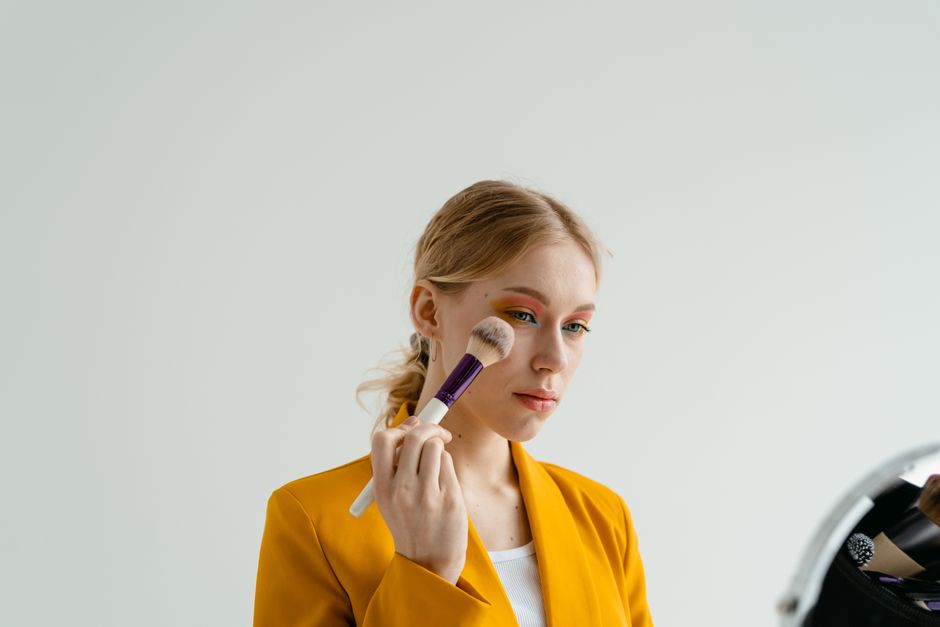
The common mistake is treating heatproof makeup as a single product problem. A heavy foundation may resist sweat but still slide over sunscreen, break apart around the nose, or transfer onto sunglasses. A durable heatwave routine depends on skin preparation, thin layers, controlled powder, and realistic touch-ups.
Why heat makes makeup separate and fade
Heat changes the surface your makeup has to grip. Your skin produces more oil, sweat adds water and salt, and frequent wiping creates friction. Those forces attack different parts of a makeup film, so one formula rarely solves every problem.
Heat creates three separate failure points
Oil weakens the grip between skin and base makeup. Sweat can dilute pigment and carry it into fine lines. Friction from a towel, tissue, phone, sunglasses, or a hat removes the top layer even when the formula itself has strong wear claims. Most heatwave breakdown starts at the sides of the nose, upper lip, forehead, and under-eye area because those zones combine movement, moisture, and oil.
That is why adding more foundation often makes the result worse. Extra pigment adds more material for sweat to move, while thick layers stay soft longer than thin, well-set layers. In most cases, a sheer base with targeted coverage survives better than full coverage spread across the entire face.
Long wear does not mean indestructible
Long-wear, waterproof, and transfer-resistant are useful descriptions, but they are not promises that your face will look untouched after eight hours outside. A product can resist water and still move when oil, heat, and rubbing act together. It can also stay on the skin while becoming visibly shiny or patchy.
The practical goal is not a frozen mask. It is a controlled finish that fades in small areas and can be repaired without removing the whole face. Choose a base that matches your skin type, apply less around movement zones, and treat sweat with pressing rather than wiping. That approach addresses the physical reasons makeup fails instead of relying on a label.
How to prep skin before makeup in a heatwave
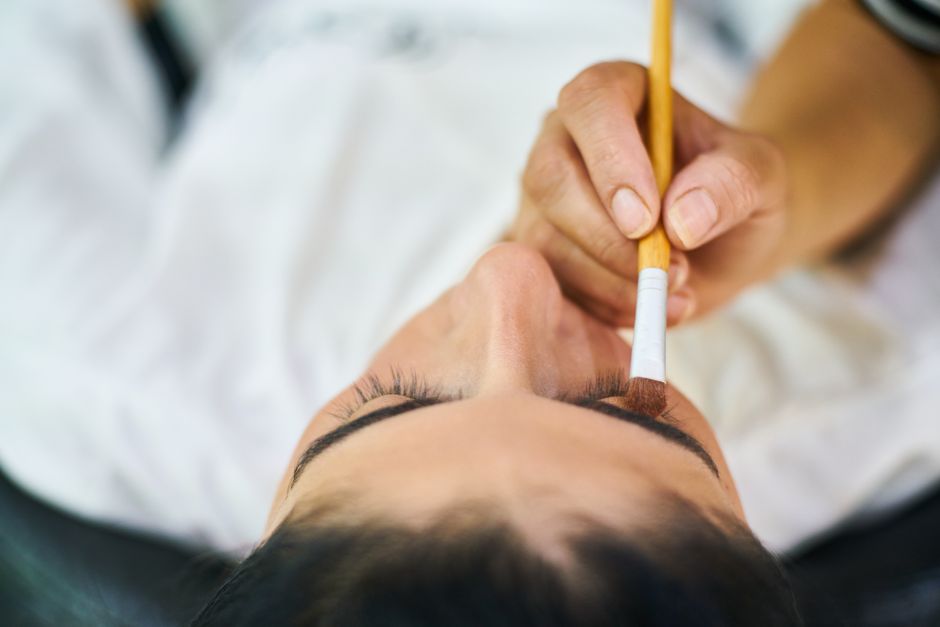
The best heatproof makeup routine begins before foundation. Prep should reduce excess slip without stripping the skin, and every layer needs enough time to settle before the next one arrives.
Use this five-minute preparation sequence
- Cleanse with a gentle product or rinse away overnight oil with lukewarm water. Pat dry instead of rubbing.
- Apply a light moisturizer to the areas that feel tight. Oily skin still needs hydration; skipping it can make the skin compensate with more oil.
- Apply broad-spectrum sunscreen in an even layer. Use enough for the face, ears, and neck, then wait at least 10 minutes before makeup.
- Press a small amount of gripping or oil-controlling primer only where makeup usually moves. The forehead, nose, and chin rarely need the same amount as the cheeks.
- Blot once with clean tissue before foundation. The goal is a settled surface, not dry, squeaky skin.
The SPF timing rule prevents most pilling
Many pilling problems come from stacking wet layers too quickly. Sunscreen needs time to form an even film, and primer cannot correct a sunscreen layer that is still rolling under pressure. If the surface feels tacky after the waiting period, press it with a sponge or tissue rather than adding more powder immediately.
Use thin dots of foundation and blend outward. Keep cream blush and bronzer away from areas that already look wet, then set only the zones that need it. This gives the skin room to move and keeps the makeup from forming a thick, brittle shell.
Which heatproof makeup formulas actually hold up?
A good shopping decision starts with the job each product must perform. Foundation handles pigment and coverage; setting spray helps bind the finished layers; powder controls surface oil. The strongest routine uses these roles in that order instead of asking one item to do everything.
Three credible long-wear choices
The winner by situation
For the longest day and the oiliest skin, Estée Lauder Double Wear is the clearest base pick because its listed specifications directly address oil, water, transfer, and extended wear. Use a small amount; its coverage can look heavy if you spread a full pump everywhere. For a lighter base that already looks good but needs help staying intact, choose a setting spray. ONE/SIZE is the sharper matte choice, while Urban Decay All Nighter is the better pick if you dislike a flat powder finish. Prices can change by retailer, shade, and size, so treat these figures as current brand-site reference points rather than permanent totals.
Heatwave makeup mistakes that cause melting
Most makeup disasters in hot weather come from small process errors. Correcting those errors often adds more wear than buying another product.
Six ways a base breaks down
- Applying foundation over wet sunscreen. The layers mix instead of forming separate films, which creates pilling and uneven coverage.
- Using too much primer. A thick primer layer can stay slippery beneath foundation. Press a pea-sized amount into the areas that need it and leave the rest of the face alone.
- Building coverage across the whole face. Put extra product only on redness, blemishes, or discoloration. Large areas of full coverage create more visible separation when sweat begins.
- Powdering before removing oil. Powder over oil makes a paste. Blot first, then press a small amount of powder onto the shine.
- Wiping sweat downward. Wiping moves pigment and foundation. Press with tissue, lift it away, and repair only the spot that changed.
- Testing a new routine on the event day. Heat, sunscreen, primer, and foundation can react differently after several hours. Wear the full combination for at least one warm afternoon before relying on it.
When bare skin is the better choice
Do not force a full face when the heat index is high, your skin is irritated, or you will spend hours sweating without shade. Sunscreen, brows, a small amount of concealer, and a tinted lip product can look more polished than a base that requires constant rubbing. If a formula stings, causes a rash, or makes your eyes water, remove it and stop testing it. Longer wear is never a good trade for a skin reaction.
How to touch up sweat and shine without caking

Touch-ups work best when they remove the problem before adding coverage. Think of the face as several small zones, not one surface that needs another complete layer.
Should you add powder to shine?
Only after you blot. Press tissue or a clean blotting sheet against the forehead, nose, and chin for two or three seconds. Lift straight up, inspect the area, and apply a very small amount of pressed powder if the shine remains. Brushing powder back and forth spreads oil across the face and can disturb foundation.
How do you repair a patch near the nose?
Use a damp sponge or clean fingertip to soften the edge of the patch, then add a pinhead-sized amount of concealer or foundation. Tap the product into place instead of dragging it. Set the repaired area with a narrow brush, leaving the surrounding skin untouched. This method prevents the thick ring that appears when people cover an entire cheek to fix a single gap.
What should you do after heavy sweating?
Move into shade and let the skin cool before touching the makeup. Blot sweat from the hairline and upper lip, then wait a minute before deciding what needs repair. If the makeup has fully dissolved, remove the damaged section with a cotton swab or tissue, apply a small amount of sunscreen again if needed, and rebuild that zone in thin layers. A complete second face usually looks heavier and lasts less time than a focused repair.