
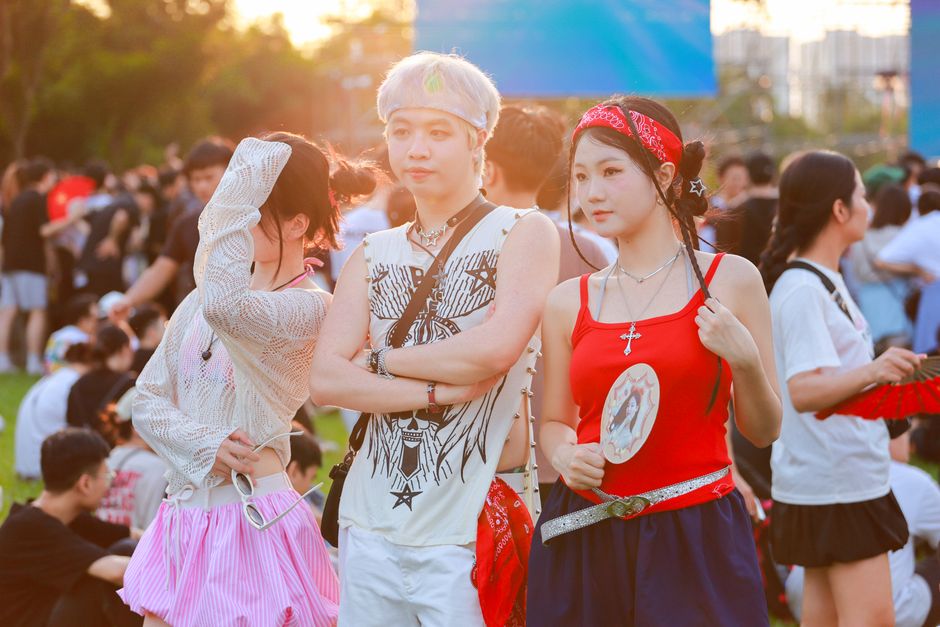
The best summer festival outfit is not the most elaborate one. It is the outfit that keeps you cool at 2 p.m., protects your skin, handles dust or grass, and still feels wearable after ten hours on your feet. Start with breathable fabric, secure shoes, a small amount of useful layering, and one personal style detail. For most outdoor events, a loose top, mid-length shorts or a breathable skirt, supportive shoes, and a light overshirt will beat a heavy jacket, delicate sandals, or a complicated costume.
What makes a summer festival outfit comfortable for 10 hours?
My strongest recommendation is to plan for heat and walking first, then add the visual statement. Outdoor festivals create a rough mix of conditions: direct sun, hard pavement, uneven grass, dust, long queues, crowded seating areas, and temperature changes after sunset. An outfit that looks good in a mirror can fail quickly when the fabric traps sweat or the shoes rub after the first mile.
Choose airflow before decoration
Loose cotton, linen blends, lightweight rayon, and technical quick-dry fabrics help air move around the body. A cropped top can work, but a loose button-up shirt often gives better sun coverage and lets you adjust your outfit as the temperature shifts. Avoid thick denim jackets, tight synthetic bodysuits, and lined dresses unless you know the venue has shade and strong evening cooling.
A midi skirt works well when it leaves room for movement and does not drag across dusty ground. Test the outfit by sitting, walking quickly, and raising both arms. Festival clothing needs to work in those positions, not only while standing still.
Spend the comfort budget on footwear
Footwear decides how long the outfit remains enjoyable.
The clear verdict: choose the HOKA Clifton 9 for maximum walking, the Teva Hurricane XLT2 for open-air comfort and adjustability, and the Birkenstock Arizona EVA only when you already know the footbed suits you. Never debut untested shoes at a day-long event.
How to build a heat-ready festival outfit
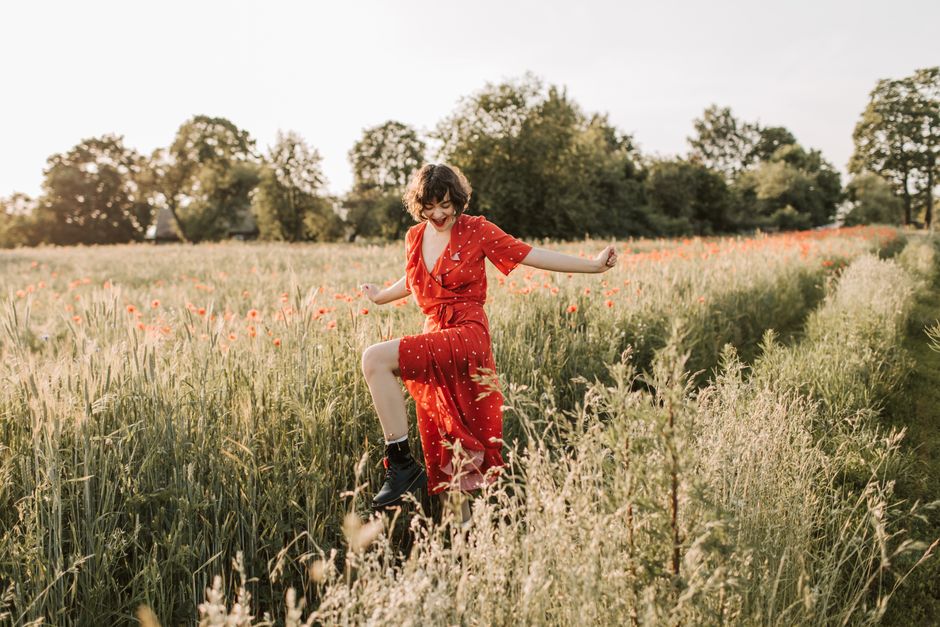
Use this order when getting dressed. It keeps the outfit practical and leaves room for personal style without creating a pile of pieces you will carry by midafternoon.
Start with the parts that touch your skin
- Pick a breathable base. Choose a loose tank, boxy T-shirt, or lightweight button-up. Look for fabric that dries quickly or feels airy when you hold it away from your body.
- Add one coverage layer. A cotton shirt, linen overshirt, or thin scarf can cover shoulders and neck during peak sun. Pick a layer that folds into a small bag rather than one that needs a hanger.
- Use a secure bottom. High-waisted shorts, pull-on trousers, or a midi skirt should stay in place when you sit on the ground. Test the waistband before leaving home.
- Protect the feet. Wear socks with closed shoes or secure straps with sandals. Add blister patches to your bag before the event, not after the first sore spot appears.
Keep accessories useful
A crossbody bag with a zipped compartment keeps both hands free and makes phone access easier in a crowd. A hat with a 7 to 10 cm brim gives more useful shade than a narrow decorative brim. Sunglasses should stay secure when you look down, dance, or move through a queue. Small hoops, long fringe, and loose chains can catch on bag straps, so keep statement jewelry close to the face or leave it at home.
Pack for the venue, not the mirror
Check the event rules before choosing a bag, umbrella, or refillable bottle. Put sunscreen, tissues, a portable battery, and one compact layer in the bag only if the venue allows them. The winning formula is simple: one breathable base, one useful layer, one secure bottom, and accessories that solve a problem. Extra pieces become uncomfortable when they have no job.
Which festival shoes work on grass, dust, and pavement?
Shoes should match the surface and the walking distance. There is no prize for wearing the most delicate sandal across a field or for choosing a heavy boot on a hot concrete plaza. The table below gives a direct choice by setting.
Compare the main options
Make the final choice by distance
For more than 15,000 steps, the HOKA Clifton 9 wins because cushioning matters more than showing the ankle. For a mixed field with grass, dust, and occasional gravel, the Teva Hurricane XLT2 is the better balance. For a poolside event or a short afternoon set, the Birkenstock Arizona EVA keeps cleaning simple. The wrong choice is any shoe that slips, pinches, or rubs during a 20-minute test walk.
Match socks and straps to the forecast
Closed shoes work better with moisture-wicking socks that cover the heel and sit above the collar. With sandals, tighten the straps before walking rather than waiting until your feet swell. Avoid brand-new leather shoes, thin flat flip-flops, and smooth soles on wet grass. Comfort depends on the contact points, so inspect seams, buckles, and edges before the event.
What should you wear when summer weather changes?
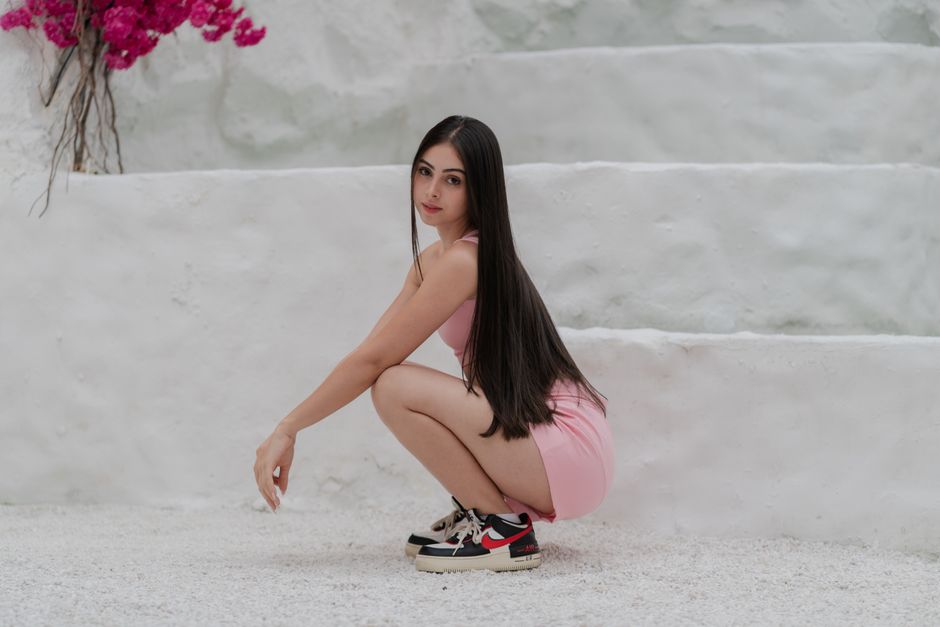
The best weather strategy is a light layer you can remove and carry, not a heavy outfit built around one forecast. Summer events often begin hot, turn windy after sunset, and become uncomfortable when a short shower hits. Choose pieces that dry quickly, fold small, and still look intentional when worn open.
For heat and strong sun
Use a pale or medium-coloured top, breathable shorts or a skirt, sunglasses, and a hat with a real brim. Cover the shoulders if you burn easily, but avoid tightly woven heavy fabric that traps heat. Reapply sunscreen during the event, especially after sweating. A neck scarf can provide quick coverage, but keep it loose enough for airflow.
For wind, rain, and cooler evenings
Pack a thin shell or nylon windbreaker that reaches the top of the hips. A hood helps during a shower, but a compact poncho protects more of the outfit when rain arrives suddenly. Skip thick knit cardigans: they absorb moisture, take up space, and become hot when the sun returns. For a late finish, add light trousers or a long skirt that folds into the bag before leaving home. The clear winner is a packable layer with a full zip, adjustable cuffs, and no bulky lining.
Which festival outfit mistakes cause blisters and overheating?
Most discomfort comes from a small choice made before leaving home. These questions catch the problems that style photos usually hide.
Can a new outfit work for a full festival day?
Only after a home test. Walk for 30 minutes, sit on a low chair, climb stairs, and wear the bag you plan to carry. Check for waistbands that roll, armholes that cut into the skin, straps that slide, and hems that ride up. Wash or air out new clothing before the event if the fabric feels stiff or has a strong finish smell. A garment that feels fine for five minutes may become irritating after several hours of sweat.
What should you avoid when the forecast looks hot?
Avoid full synthetic outfits with no airflow, thick black denim, shoes with smooth soles, and long loose hems that drag through dust. Avoid carrying a large tote unless you have a fixed place to set it down. Do not rely on a tiny decorative bag for essentials if the venue has strict movement rules. The best correction is often subtraction: remove one layer, replace one heavy fabric, and choose shoes with a tested fit.
Also avoid building the entire outfit around a trend that prevents normal movement. Ultra-low-rise bottoms, delicate ties, and backless shoes may look striking but create constant adjusting. At an outdoor event, the outfit should disappear into the background after you put it on.