
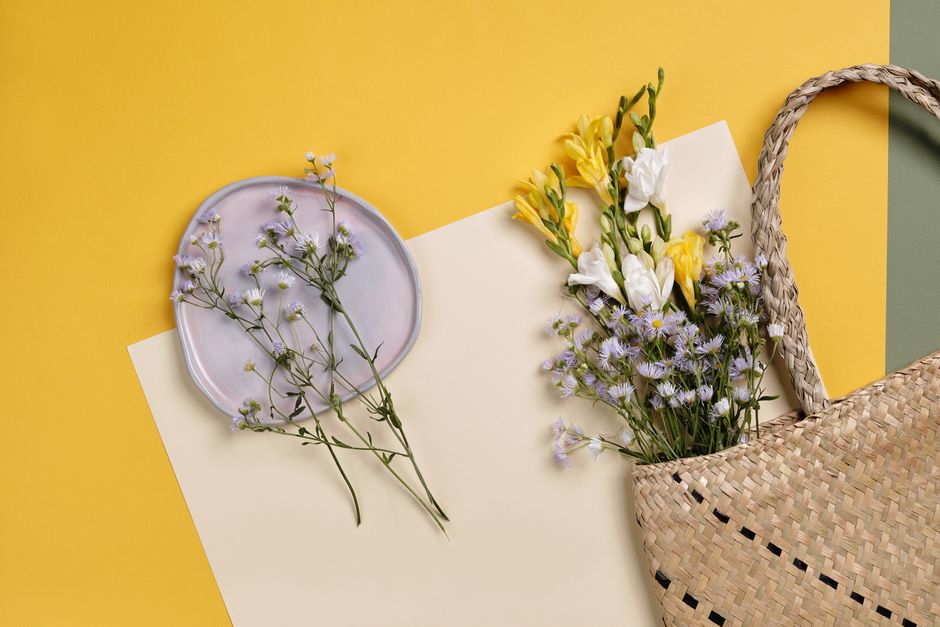
Straw bags, raffia totes, and woven baskets all look summery, but they do not work the same way. The right choice depends on what you carry, how often you travel in rain, and whether the bag needs to survive a full day in the city.
Which summer handbag style fits the way you carry things?
Match the bag shape to the job
Start with the task, not the trend. A small basket bag works for lunch, weddings, and short errands because it keeps the load light. A structured straw tote makes more sense for commuting when you need sunglasses, a water bottle, a paperback, and a small pouch. A soft raffia shopper handles more volume but often has less structure, so loose items can disappear at the bottom.
The most useful distinction is opening shape. An open tote gives quick access but offers little security on public transport. A drawstring or tie closure keeps small items contained. A zip-top woven bag is the practical choice for flights, crowded markets, and cycling, even if it looks less traditional than a classic basket.
Use this comparison before you buy
| Style | Best use | Typical capacity | Main drawback |
|---|---|---|---|
| Mini basket | Evening plans, weddings, short errands | Phone, card case, keys, lipstick | Cannot carry a water bottle |
| Small shoulder basket | Lunch dates and sightseeing | Phone, sunglasses, wallet, compact | Short handles may not fit over a coat |
| Raffia shopper | Beach days and travel | Layer, book, bottle, pouch | Soft walls can collapse |
| Structured straw tote | Office and city wear | Notebook, tablet, bottle, daily essentials | Rigid edges can feel bulky |
| Woven leather tote | Frequent everyday use | Medium daily load | Heavier and more expensive |
For most people, the best first purchase is a medium shoulder basket or a raffia tote with a secure inner pouch. It covers more situations than a tiny top-handle bag without turning into an oversized beach carryall.
How do straw, raffia, rattan, and woven leather differ?
Straw is light, crisp, and least forgiving
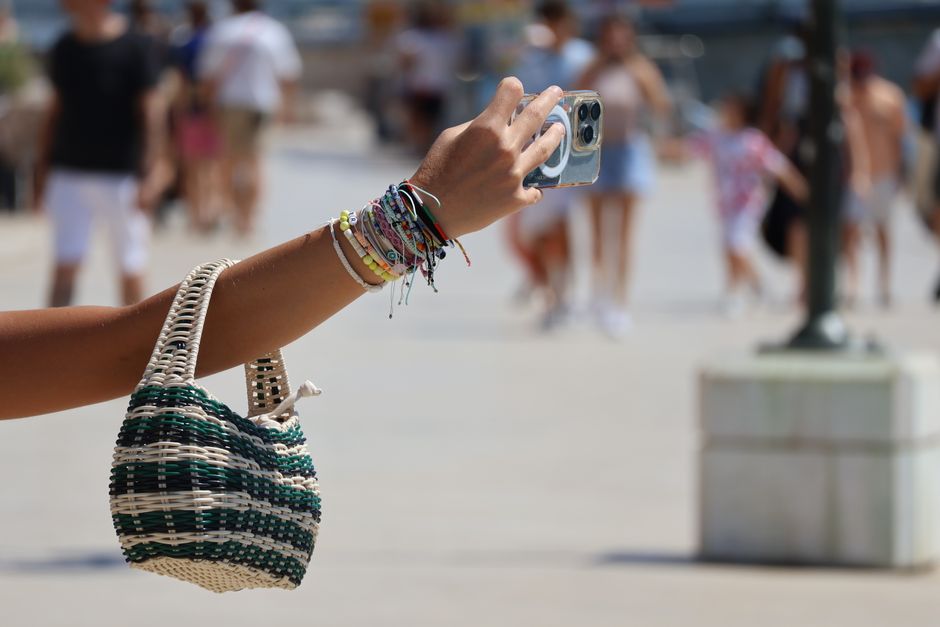
Straw usually means dried plant fibre or paper straw formed into a braid, crochet pattern, or flat weave. It creates the cleanest holiday look and feels light on the shoulder. The tradeoff is durability. Thin straw can catch on rings, rough denim, car doors, and chair arms. Paper straw handles light daily use well, but it is not the best material for a bag that will be packed tightly or carried through wet weather.
Check the weave before paying. Hold the bag at eye level and look for large gaps, loose ends, or sharp fibre tips. Press the base gently. It should flex slightly without folding in half. A reinforced base matters more than decorative stitching because it carries the weight of your belongings.
Raffia is softer and better for relaxed volume
Raffia comes from the leaves of the raffia palm. It has a slightly uneven surface and a softer fall than straw, which makes it useful for slouchy totes and shoulder bags. Good raffia should feel dry and firm rather than damp, waxy, or brittle. The fibres may have small variations in colour. That is normal for a natural material, not evidence of poor quality.
Raffia still dislikes rain. Water can darken the fibres, loosen the shape, and leave marks when the bag dries. If the bag has leather handles or a cotton lining, those parts may also react differently to moisture.
Rattan and woven leather solve different problems
Rattan has a harder, more architectural feel. It holds a rounded or boxy shape well, so it suits basket bags with a firm base. It can also feel less comfortable against the body and may snag delicate clothes if the surface is rough.
Woven leather offers the most everyday durability and the least beach-like appearance. It is heavier, costs more, and needs protection from prolonged moisture, but it works with trousers, tailoring, and knitwear long after peak summer. Choose woven leather when you want one bag to work across several seasons. Choose raffia when you want the lightest relaxed tote for warm-weather outfits.
What size summer bag do you need each day?
Step 1: Make a real carry list
- Place your phone, keys, wallet, sunglasses, lip balm, and hand sanitizer on a table.
- Add the largest item you carry at least three times a week, such as a water bottle, paperback, camera, or tablet.
- Measure the longest item. The bag should be at least 2 cm wider and 2 cm taller than that object.
- Weigh the full pile. A woven bag with thin handles should not carry a heavy load all day.
This simple test prevents the most common mistake: buying a beautiful mini bag for a lifestyle that requires a tote. It also prevents the opposite mistake, which is choosing a huge shopper that encourages you to carry unnecessary weight.
Step 2: Check the opening and handle drop
For a shoulder bag, look for a handle drop of at least 20 cm if you plan to wear it over a light jacket. A 10 to 15 cm drop usually works best as a hand-carry bag. Measure the opening, not just the outside dimensions. A bag that measures 30 cm across but narrows sharply at the top may hold less than expected.
For office use, aim for a base that stays flat when you set the bag down. For travel, choose a top closure and a lining that can be wiped clean. For beach use, an open raffia tote is fine, but put your phone, cards, and sunscreen inside a zipped fabric pouch before they enter the bag.
How do you prevent a woven bag from failing?
Will rain ruin a straw or raffia bag?
Rain is the biggest avoidable risk. Natural fibres can absorb moisture unevenly, and the bag may dry with dark patches or a distorted base. If rain starts, close the bag, cover it with a clean cotton scarf or packable rain cover, and let it dry naturally in a ventilated room. Do not place it on a radiator, under a hairdryer, or in direct midday sun.
If the bag becomes damp, remove the contents and reshape it with a dry towel inside. Keep the towel loose so air can circulate. Wait until the bag is fully dry before storing it.
Why does the bag lose its shape?
Overloading stretches handles and pushes the base downward. A soft tote should carry clothing, a book, and a pouch, not a laptop, full water bottle, camera, and shoes at the same time. Use a lightweight organiser only if it fits without forcing the sides outward. Heavy organisers defeat the point of a lightweight summer bag.
How should you store it between seasons?
Empty every pocket, remove crumbs, and brush the surface with a clean, dry, soft-bristled brush. Stuff the bag with acid-free tissue or a cotton T-shirt so it keeps its shape. Store it upright in a breathable dust bag, away from damp wardrobes and strong perfume. Never seal natural fibres in plastic for months because trapped moisture can create a stale smell or mildew.
Also inspect handles before each long day. If stitching looks stretched or the fibre braid has opened, reduce the load immediately. Repairing a small weak spot costs less than replacing a bag after the handle tears.
When should you skip a woven summer bag?
Choose another material for wet commutes
Skip straw and raffia if your daily route involves regular rain, crowded public transport, or a long walk with no shelter. A coated canvas tote or smooth leather crossbody will protect your belongings more reliably. The same rule applies if you carry a laptop without a separate protective sleeve. Natural-fibre bags are style pieces first; they are not waterproof work equipment.
Choose woven leather for year-round wear
If you want one bag for summer, autumn, and mild winter, woven leather is the stronger choice. Dragon Diffusion’s Triple Jump Small is a handwoven buffalo-calf-leather basket with a more substantial feel than raffia. It has the relaxed shape of a basket but works with jeans, linen, knitwear, and tailoring. Expect it to cost more than a straw tote and to weigh more when full.
For a lower-cost shoulder option, the Sézane Justine Mini gives you lining, two carry modes, and a much smaller financial risk.
The right verdict is simple: buy raffia for a light everyday summer wardrobe, straw for occasional warm-weather use, woven leather for repeated cross-season wear, and a weather-resistant alternative when protection matters more than texture.
Takeaway: The best summer handbag is the woven style whose material, opening, handle drop, and capacity match the way you actually carry your day.