
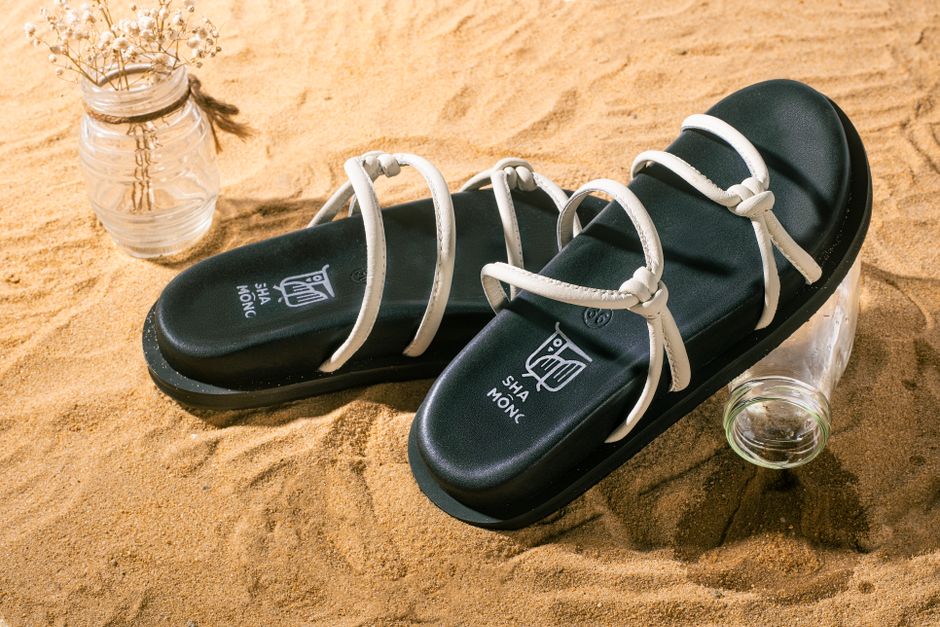
Summer sandals have three jobs: keep feet cool, support real movement, and finish an outfit without stealing attention from it. Flat, block-heel and espadrille styles all solve those problems differently, so the best choice depends less on trend mood and more on where you will wear them.
Flat, Block-Heel or Espadrille: Which Summer Sandal Wins?
Quick comparison
My clear winner
For long city days, the flat sandal wins because it keeps the foot close to the ground and reduces the ankle wobble that makes narrow heels tiring. It still needs careful sizing: a loose slide forces your toes to grip with every step.
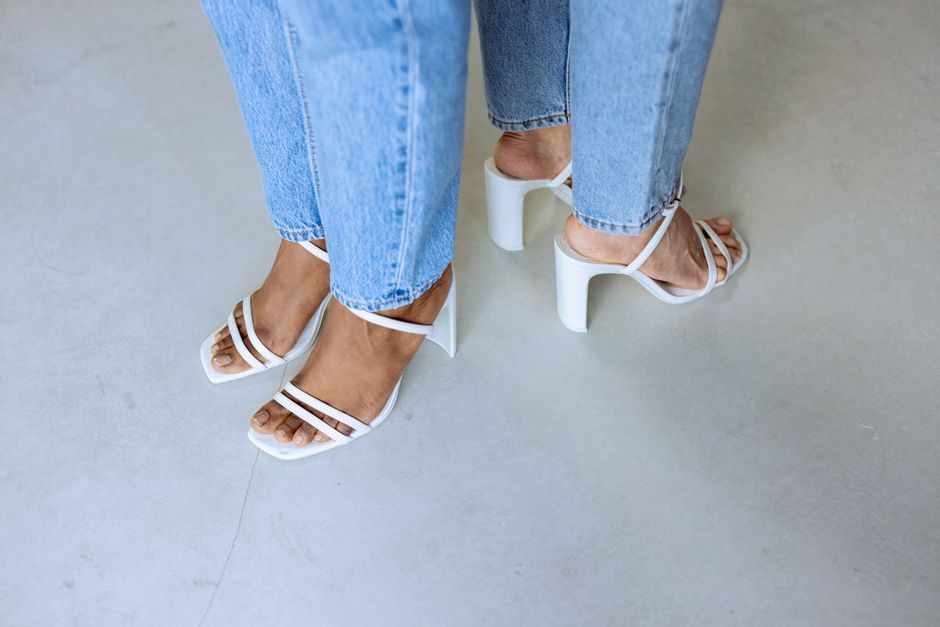
For one dressier pair, choose a block heel. A broad base gives more stability than a stiletto, but heel height still matters.
Espadrilles sit between the two. Its woven upper adds personality without the height of a wedge. Pick it for lunches, markets and warm indoor events, but keep it away from heavy rain. The rope edge absorbs moisture and can dry unevenly.
What Makes a Summer Sandal Comfortable for Walking?
The comfort test
A comfortable summer sandal holds the heel, supports the middle of the foot and leaves enough room for toes to spread. A soft upper helps, but softness cannot rescue a sole that bends in the wrong place or a strap that cuts across a swollen foot. Walk indoors for at least ten minutes before wearing a new pair outside, and test them late in the day when feet have expanded slightly. That simple timing catches more fit problems than buying your usual size on a rushed morning.
The walking verdict
For pavement, look for a sole that bends beneath the ball of the foot rather than in the middle of the arch, plus a heel counter or rear strap that stops sliding. For hot weather, choose straps with space between the skin and the edge, because trapped sweat turns small areas of friction into blisters. For uneven ground, trade a completely flat sole for a modest heel-to-toe rise and a textured outsole. My rule is direct: if you have to curl your toes to keep the sandal on, do not buy it, no matter how good the colour looks.
How to Match Sandal Shape to Your Outfit and Foot
Flat sandals for relaxed outfits and maximum movement
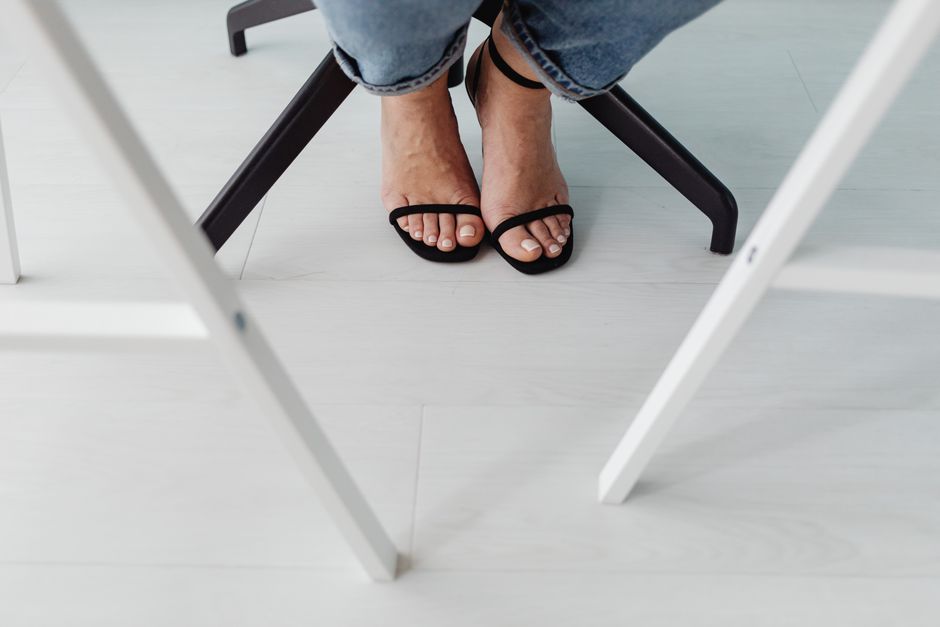
Flat sandals work best when the outfit already has shape or volume. A simple two-strap style balances wide-leg linen trousers, a loose cotton dress or denim shorts without adding visual weight. The trade-off is that a very thin sole can make hard pavement feel harsh, so look for molded cushioning or a rubber outsole instead of a decorative leather sole. A flat sandal also exposes more of the foot, which makes strap placement important. One strap across the widest part of the forefoot usually feels better than a narrow strap pressed against the toes.
Block heels when the outfit needs polish
Block heels give dresses, tailored trousers and dark denim a sharper finish, but the heel should match the schedule. It is a style purchase, not a walking shoe. Avoid a high block heel when you already know the venue has cobblestones, grass or a long standing queue.
Espadrilles for texture and warm-weather contrast
Espadrilles add a woven texture that makes basic clothes feel more intentional. The Soludos Dali Original Espadrille works with cropped trousers, midi skirts and simple holiday dresses because the natural canvas and rope detail signal summer without demanding bright colour. Check the sole before buying: a flexible rubber base handles city streets better than a stiff rope edge, and a closed toe offers more protection in crowded places. Espadrilles also need a dry-weather plan. If the forecast shows rain or you expect wet grass, select a rubber-soled flat instead. That small swap protects the rope construction and prevents the upper from holding moisture against the skin.
A useful styling rule cuts through most outfit questions: match the sandal’s visual weight to the clothes. Fine straps suit a light slip dress. A wide flat sandal suits denim or heavier linen. A substantial block heel balances tailoring. The right proportion matters more than matching the exact shade.
Five Summer Sandal Mistakes That Ruin a Good Outfit
Mistakes to avoid
- Buying for a single photograph. A dramatic high heel may look perfect with one dress, but it loses value if you cannot stand in it for an hour. Decide how often you will wear the pair before paying designer-level prices.
- Ignoring strap placement. Straps that sit directly over a bunion, a prominent toe joint or the widest part of the foot can cause rubbing even when the length is correct.
- Choosing a pale fabric sandal for wet locations. Canvas and rope details show water marks quickly, while smooth rubber or EVA handles pool decks and sudden rain better.
- Assuming a flat sole always means comfort. A completely thin sole offers little shock absorption on concrete. Choose a molded footbed or a flexible cushioned outsole for full-day walking.
- Wearing new sandals straight to an event. Walk in them at home first, test the buckle, and place blister patches in your bag. Ten minutes of preparation can save an entire evening.
A five-minute check
Stand up and check that your heel sits inside the rear edge, your longest toe has a small amount of space, and the straps stay flat without pressing into the skin. Walk up stairs, turn sharply and stand still for one minute. If the sandal slides, pinches or makes you grip with your toes, return it. A fashionable sandal that changes your gait is not a bargain; it is a shoe you will avoid wearing.
Also inspect the sole from below. Smooth leather looks elegant but becomes risky on polished floors, while a shallow rubber tread gives better everyday traction. This is a small detail that separates a pretty pair from a useful one.
The Best Summer Sandal for Each Real-Life Occasion
Best picks by occasion
It is better for airports, boardwalks and casual sightseeing than for formal dinners.
It should not be your rain shoe or your choice for rocky paths.
The one-pair answer
If you can buy only one pair, select a supportive flat sandal in black, tan or metallic leather-look material, with an adjustable strap and a sole thick enough for pavement. It covers the widest range of days and leaves room to add a block heel later for dressier occasions. If your wardrobe is already casual and you attend frequent summer events, reverse the order and buy the low block heel first.