
Start With What Your Day Actually Carries
The best everyday handbag is not the prettiest one on a shelf. It is the bag that holds your real essentials, stays comfortable for several hours, and still works with most of your clothes. I learned this after buying attractive bags that could not fit my sunglasses, a water bottle, or the charger I carried every day.
Start by emptying your current bag onto a table. Group everything into three piles: items you carry daily, items you carry twice a week, and items that only create clutter. Measure the largest object.
Build a daily carry list
Write down your phone, wallet, keys, sunglasses, hand cream, headphones, medication, and any work item you cannot leave behind. Add the objects you use during your commute or school day.
Separate weight from volume
A large bag can fit everything and still become miserable by noon. Weigh your normal load on a kitchen scale. Your bag should solve a carrying problem, not create shoulder pain.
Use the Five-Minute Capacity Test
Do not judge capacity by a model’s name. “Medium” means almost nothing across brands. Use the same test every time you shop, and reject any bag that fails a core item.
Pack these five objects
- Place your largest daily item inside first, such as a tablet, paperback, or laptop.
- Add a 24- to 32-ounce water bottle and check if the bag still closes.
- Put your wallet, keys, phone, and sunglasses in separate pockets.
- Lift the bag with one hand, then wear it for five minutes while walking.
Apply the 20 percent space rule
Keep roughly one-fifth of the interior empty. That spare room matters when you remove a layer, buy groceries, or carry a pair of flats. A bag that is packed to its seams every morning is too small, even if every item technically fits.
Check access before buying
Reach in with one hand while standing. If you need to unzip three compartments to find your keys, the organization is working against you. Choose one quick-access pocket and one larger open area for flexible storage.
Match the Bag Shape to Your Routine
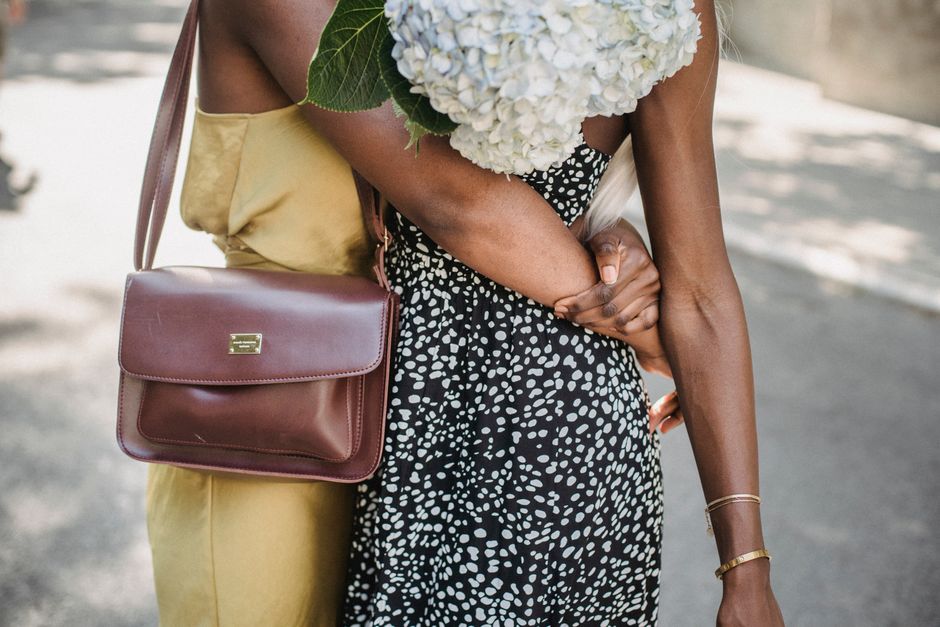
Shape affects access, weight distribution, and how polished the bag looks with your clothes. I prefer a shape that matches the dominant part of the day, not the fantasy version of my schedule.
Choose structure for work
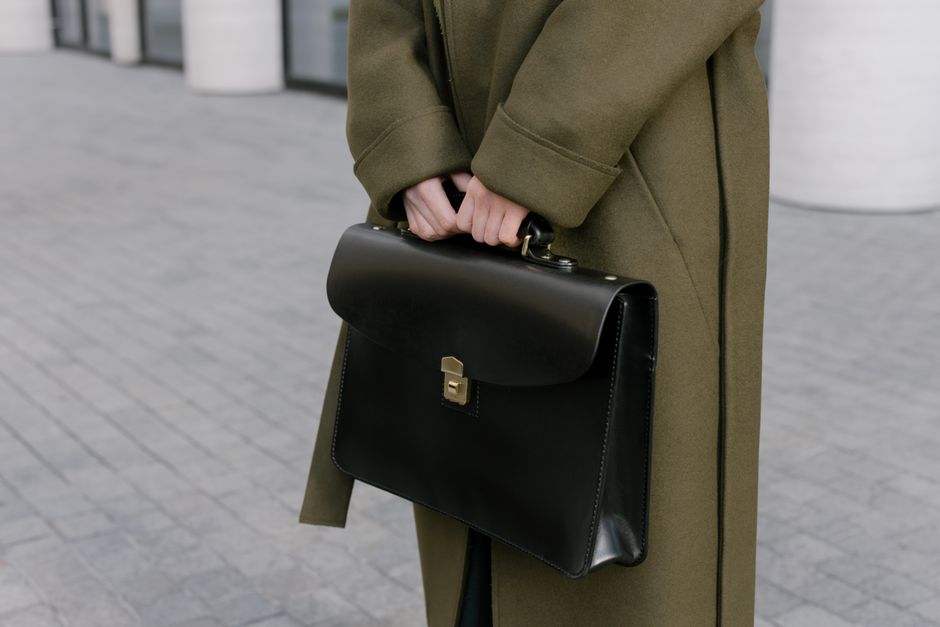
A structured tote keeps documents and electronics protected from being crushed. It is my pick for a polished office wardrobe, but the open top makes it less suitable for crowded transit.
Choose softness for movement
A soft crescent follows your body and feels lighter during walking. It fits a 32-ounce bottle, tablet sleeve, phone, and keys. For errands and casual weekends, it is the clear winner.
My Strongest Opinion: Buy for Your Worst Normal Day
Buy for the busiest ordinary day you actually have, not the rare event you imagine. If you commute by train four days a week, choose for the train. If you work from home and mainly carry a phone, wallet, and sunglasses, do not buy a giant tote because it looks sophisticated.
Oversized bags encourage overpacking. They also pull on one shoulder, disappear under a coat, and turn small items into a search mission. A bag should have enough capacity for your normal maximum, with a little spare room. It should not be a portable storage closet.
When a large tote earns its place
Buy a large tote when you regularly carry a laptop, lunch, water bottle, notebook, cardigan, and charger. It does not make sense for light errands.
When a small crossbody wins
Choose a small crossbody when you walk, use public transit, or dislike carrying weight.
Everyday Handbag Questions I Ask Before Buying
Does an everyday handbag need to match every outfit?
No. It needs to work with most of your wardrobe. Black, dark brown, tan, navy, and muted olive cover more outfits than a bright seasonal colour. If your wardrobe is mostly neutral, one saturated colour can work as a deliberate accent. My first everyday bag would still be black or dark brown.
Is leather always better than nylon?
No. Leather looks refined and can age well, but it weighs more and dislikes rain, spills, and rough travel. Nylon is the better choice for walking, childcare, travel, and unpredictable weather. It is a smarter choice than leather when low weight matters most.
Should I buy a bag with many pockets?
Buy pockets for objects you reach for, not for decoration. Two or three useful sections beat ten shallow pockets. A phone pocket, zipped security pocket, and open main compartment cover most daily needs. Extra divisions often reduce capacity and make larger items harder to pack.
Avoid These Handbag Buying Mistakes
Most handbag regret comes from ignoring how a bag behaves after the first week. The mirror shows style. Your shoulder, commute, and morning routine reveal the truth.
Common mistakes to reject
- Buying by exterior size while ignoring the narrow opening.
- Choosing a chain strap that digs into your shoulder after an hour.
- Picking pale suede for a rainy commute or a bag that touches dirty floors.
- Buying a heavy leather bag before adding your daily contents.
- Assuming a laptop fits because the bag looks wide enough.
- Choosing a magnetic closure when you regularly carry valuables through crowds.
When not to buy the bag you love
Do not buy it when the strap slips, the closure needs two hands, the base collapses, or the bag already feels heavy when empty. Do not buy a work tote that barely fits your laptop. Do not buy a white bag as your only everyday option if you commute on public transit. Style cannot repair a bad match between the bag and your routine.