

You’re heading out. Your favorite pair of leggings are on, feeling comfortable, supportive. You turn to catch a glimpse in the mirror, and there it is: the dreaded Visible Panty Line (VPL). Or maybe it’s the bunching, the sweat, or just the overall discomfort that subtly ruins an otherwise perfect outfit. We’ve all been there. It&rsquos a common fashion frustration, but it doesn’t have to be your everyday reality. The right underwear under your leggings isn’t just about avoiding a VPL; it’s about feeling confident, comfortable, and unrestricted from your morning coffee run to your evening workout. Choosing well means understanding fabrics, cuts, and the specific demands your leggings place on what’s underneath.
The VPL Problem: Why Regular Underwear Fails Under Leggings
The quest for seamless style under leggings often starts with addressing the VPL. But it’s more than just a visual annoyance. Regular underwear, designed for everyday jeans or looser clothing, simply isn’t built for the close-fitting, often thinner fabrics of modern leggings. The fundamental issue lies in the combination of underwear design and legging material.
Most traditional underwear features elasticized leg openings and bulky seams. When you pull on form-fitting leggings, these elements become compressed against your skin, creating ridges that are then visible through the taut legging fabric. This isn’t just about visibility; it also causes chafing and discomfort, especially during movement. Cotton underwear, while breathable for general wear, often lacks the smooth, stretchable qualities needed to disappear under leggings. Its thicker seams and less forgiving stretch profile mean it clings and bunches, exacerbating the VPL.
Furthermore, many leggings are crafted from performance fabrics designed to wick sweat and move with your body. Pairing these high-tech textiles with underwear that doesn’t offer similar properties can negate the benefits of your leggings. Non-wicking underwear can trap moisture, leading to discomfort and potential skin irritation, particularly during workouts. The goal is to create a harmonious layer system where each piece complements the other, not clashes.
Understanding Fabric Friction and Stretch
Leggings, especially those made from nylon, spandex, or polyester blends, are designed for high stretch and recovery. They hug your body. Underwear that doesn’t offer similar stretch capabilities will resist this embrace, leading to lines and bunching. Consider the friction between layers too. A cotton brief rubbing against a performance legging can create drag and pull, shifting both garments out of place. This constant micro-adjustment is a significant source of everyday discomfort. The ideal underwear moves "as one" with your leggings, minimizing any internal friction that could create visible lines or bunching.
Seam Types and Their Leggings Impact
Traditional underwear relies on stitched seams, often with an elastic band sewn into the edge for durability and fit. These seams, while functional, present a challenge under leggings. Flatlock seams, common in athletic wear, are flatter than traditional overlock seams but still introduce a slight elevation. For true invisibility, bonded seams or laser-cut edges are superior. Bonded seams are created by fusing fabric layers together with heat, resulting in a smooth, flat transition. Laser-cut edges eliminate a seam altogether, creating a clean, raw edge that lies perfectly flat against the skin without digging in or creating a ridge. When shopping, prioritize these types of seam finishes if your primary concern is an undetectable silhouette.
Heat and Moisture: The Real Discomfort
Beyond aesthetics, comfort is . Leggings, by their nature, can be warm. If your underwear isn’t breathable or moisture-wicking, it traps heat and sweat against your body. This creates an environment ripe for discomfort, chafing, and even yeast infections. Natural fibers like bamboo or modal offer excellent breathability and softness. Synthetic blends, specifically engineered with moisture-wicking properties, pull sweat away from the skin to the fabric’s surface, where it can evaporate. Look for underwear that partners with your leggings’ performance, especially if you wear them for exercise. A poorly chosen underlayer can turn a comfortable workout into a sweaty, irritated ordeal.
Top Underwear Styles for a Flawless Finish (and When to Use Them)
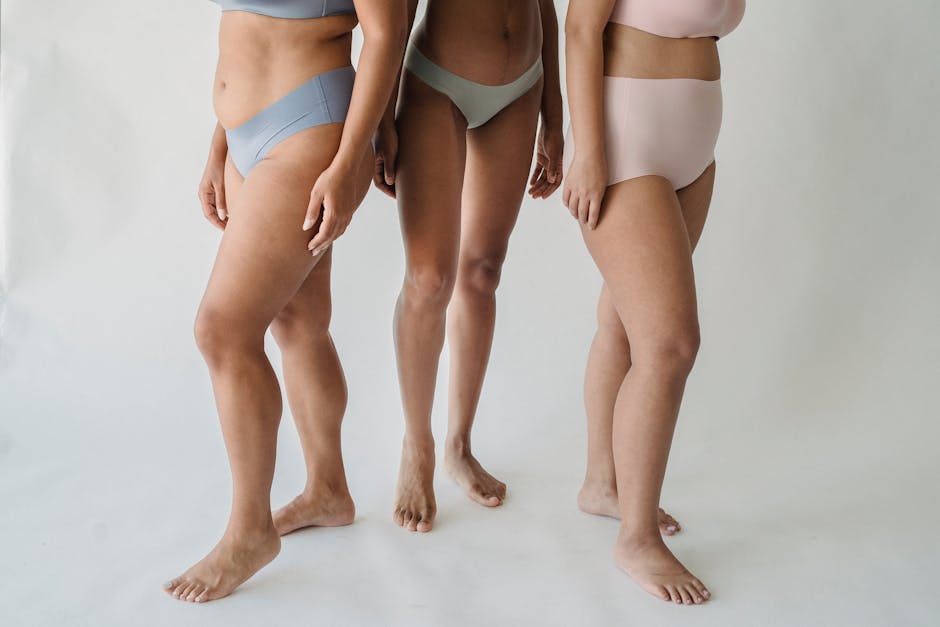
When it comes to selecting underwear for leggings, the style is just as crucial as the fabric. Different cuts offer varying levels of invisibility and support, making some choices better suited for specific leggings or occasions. Here’s a breakdown of the most effective styles:
The Classic Thong: Pros and Cons
The thong remains a go-to choice for eliminating VPLs, and for good reason. By design, it minimizes fabric across the derriere, meaning there’s no panty line to show. This makes it ideal for virtually any type of legging, from thin yoga pants to opaque workout tights. However, thongs are not without their trade-offs. Some people find the minimal coverage uncomfortable or feel that the string design causes wedgies. For those sensitive to "fabric up the crack," a thong might not be an everyday solution. Comfort often depends on the fabric and the width of the "string." A wider, softer band in the back can significantly improve comfort compared to a thin, elasticized string. Look for thongs made from microfiber or modal blends with laser-cut edges for maximum invisibility and softness.
Seamless Briefs: Your Everyday Solution
If thongs aren’t your preference, seamless briefs offer an excellent alternative. These are designed with minimal to no visible seams, often using laser-cut edges that lie completely flat against the skin. They provide more coverage than a thong – typically a full-coverage brief, bikini, or even a boyshort cut – without creating lines. The key is the construction: no elastic bands that dig in, and often made from ultra-stretchy, smooth fabrics like nylon/spandex blends or microfiber. Seamless briefs are perfect for everyday wear under leggings, offering comfort and a smooth silhouette. They work particularly well under thicker, more structured leggings where a slight increase in fabric might still remain undetectable.
Boyshorts and Bikinis: A Niche Pick
Boyshorts and bikini-style underwear can work under leggings, but with more specific considerations. Boyshorts, which cover more of the upper thigh, can sometimes create a visible line where the leg opening ends, especially under very tight or thin leggings. However, seamless or laser-cut boyshorts, particularly those with a very wide, flat leg opening, can be incredibly comfortable and provide excellent coverage for lounge or sleepwear-style leggings. Bikinis offer moderate coverage and sit lower on the hip. Like boyshorts, their success under leggings depends heavily on their seam construction. If they have traditional elasticized leg holes, they’ll likely produce a VPL. Opt for seamless bikini styles with smooth, flat edges if you prefer this cut. Both boyshorts and bikinis are generally better suited for thicker, more opaque leggings, or when you prioritize comfort over absolute invisibility.
In short, while thongs offer unparalleled VPL prevention, seamless briefs provide a balanced option for comfort and smoothness. Boyshorts and bikinis are more situational, best chosen in seamless versions for specific legging styles.
Material Matters: Fabrics That Work (and Don’t) Under Leggings
Choosing the right fabric for your underwear under leggings isn’t just about how it looks; it’s about comfort, hygiene, and how well it performs. Your best bet for invisibility and comfort under leggings will almost always be synthetic blends like microfiber or nylon/spandex. These materials excel in areas where traditional cotton often falls short.
The reason for this strong recommendation comes down to a few key properties. Synthetic blends are inherently smoother, allowing them to glide under leggings without snagging or creating friction. They also possess superior stretch and recovery, meaning they move with your body and your leggings without bunching or losing shape. Furthermore, many synthetics are engineered to be lightweight and thin, reducing bulk. Breathability and moisture-wicking are often built-in, making them ideal for activewear leggings. While "natural" materials have their place, for the specific demands of leggings, modern synthetics often outperform.
Microfiber and Nylon Blends: The Seamless Superstars
Microfiber is a finely woven synthetic fabric, typically made from polyester or nylon. Its microscopic fibers create an incredibly soft, smooth, and lightweight textile that feels like a second skin. When blended with spandex, it gains exceptional stretch and shape retention. Underwear made from microfiber or nylon/spandex blends is excellent for leggings because it:
- Lies Flat: Its smooth surface and often laser-cut edges eliminate VPL.
- Wicks Moisture: Many blends are designed to pull sweat away from your body, keeping you dry.
- Dries Fast: Ideal for active lifestyles and quick washes.
- Is Durable: Resists pilling and holds its shape over time.
These fabrics are the workhorses of seamless underwear, offering the perfect combination of invisibility, comfort, and performance for almost any legging situation.
Cotton’s Role: Breathable but Bulky?
Cotton is a beloved fabric for everyday underwear due to its natural breathability and softness. However, it presents challenges under leggings. Traditional cotton underwear is generally thicker, less stretchy, and prone to creating visible lines and bunching. The natural fibers absorb moisture rather than wicking it away, which can lead to a damp feeling during workouts. While some brands offer "seamless" cotton blends, they often still retain some of cotton’s inherent bulk. For casual wear with thicker, less revealing leggings, 100% cotton can be comfortable. But for performance leggings or to avoid a VPL, it’s generally not the top choice. If you love cotton, consider styles that incorporate a high percentage of spandex and feature laser-cut edges for a smoother profile.
Modal and Bamboo: Softness with Support
Modal and bamboo are semi-synthetic fabrics derived from natural sources (beech trees for modal, bamboo grass for bamboo viscose). They are highly praised for their exceptional softness, drape, and breathability. Both offer a luxurious feel and are more environmentally friendly in their production than some synthetics, though this varies by manufacturing process.
- Modal: Known for being incredibly soft, smooth, and resistant to pilling. It also has good moisture-wicking properties and maintains its shape well.
- Bamboo: Highly breathable, naturally anti-bacterial, and excellent at wicking moisture. It feels silky smooth against the skin.
Underwear made from modal or bamboo blends can be an excellent choice for leggings, especially for those prioritizing natural feel and superior softness. Look for styles that incorporate enough spandex to ensure a snug, smooth fit and have flat or bonded seams to prevent VPLs. They offer a great middle-ground between cotton’s natural feel and synthetics’ performance.
Product Showdown: Best Seamless Underwear Brands for Leggings

Finding that perfect "second skin" feeling under your leggings often comes down to specific brands and their design philosophies. Here’s how some of the leading contenders stack up, focusing on products specifically designed to disappear and provide comfort.
| Brand/Product | Estimated Price (Single Pair) | Key Material | Key Feature for Leggings | Best For |
|---|---|---|---|---|
| Commando Classic Thong | $24.00 | Nylon/Spandex Blend | Raw-cut edges, patented "invisible" fabric | Absolute VPL elimination, premium feel |
| Knix Essential Thong | $18.00 | Nylon/Spandex Blend | Seamless, quick-dry, super soft, breathable | Activewear, everyday comfort, moisture-wicking |
| Skims Fits Everybody Thong | $18.00 | Polyamide/Elastane Blend | Ultra-stretchy, buttery soft, thin fabric | Softness, comfort for lounge or casual leggings |
| Parade Silky Mesh Thong | $10.00 (often in packs) | Recycled Nylon/Spandex Mesh | Lightweight, breathable, vibrant colors, affordable | Budget-friendly, fashion-forward, good for lighter leggings |
| Pact Organic Cotton Thong | $14.00 | Organic Cotton/Elastane | Soft, breathable, ethical, some seamless options | Those who prefer organic cotton, general wear, thicker leggings |
Commando Classic Thong: Why it’s a Staple
Commando built its reputation on "invisible" underwear, and their Classic Thong lives up to the hype. Their patented fabric blend and raw-cut edges ensure literally no elastic or stitching to create a line. It feels incredibly lightweight and disappears under even the thinnest leggings. Yes, it’s a higher price point, but for an absolutely flawless silhouette, it’s a top performer. Many fashion stylists swear by it for red carpet events and photoshoots. It’s not specifically "performance" underwear, but its smoothness makes it versatile.
Knix Essential Thong vs. Boyshort: Versatility
Knix offers excellent seamless options, particularly their Essential Thong and Boyshort. These are designed with "free-cut" edges and a very soft, quick-dry fabric that is ideal for active wear. The Essential Thong provides that reliable VPL-free experience with added moisture-wicking. For those who prefer more coverage or find thongs uncomfortable, the Essential Boyshort is a revelation. Its seamless design means no digging-in at the thighs, and the fabric stays put. It’s a great option for workouts or lounging when you want full coverage without visible lines, especially under thicker leggings.
Skims Fits Everybody Thong: The Softness Factor
Skims has become famous for its inclusive sizing and incredibly soft fabrics. The Fits Everybody Thong is a standout for its "buttery soft" feel and extreme stretch. It’s designed to adapt to your body – hence the "fits everybody" name. This thong is thin enough to disappear under most leggings and offers exceptional comfort for all-day wear. While not marketed specifically for high-intensity workouts, its smooth profile and soft touch make it an excellent choice for everyday leggings, lounge wear, or casual outings.
Parade Silky Mesh: Budget-Friendly Options
Parade has carved a niche with its focus on comfortable, colorful, and ethically made basics at an accessible price. Their Silky Mesh Thong, often available in multi-packs, offers a great combination of breathability and a smooth profile. The mesh fabric is lightweight and doesn’t add bulk, making it a good choice for lighter-weight leggings. While not as "invisible" as Commando, for the price, it delivers strong performance in terms of VPL reduction and comfort. It’s a fantastic option for building a versatile collection of seamless underwear without breaking the bank.
Going Commando Under Leggings: Is it Right for You?
The idea of going without underwear — "commando" — under leggings is appealing for its ultimate promise of no VPL and absolute freedom. However, while it guarantees no panty lines, it comes with important considerations for hygiene and comfort. For many, going commando under certain leggings or for specific activities can be a practical choice, but it’s not universally recommended without caveats.
Is it Hygienic to Go Commando for Workouts?
For workouts, going commando means direct skin-to-legging contact. If your leggings are made from moisture-wicking, breathable, and anti-microbial fabrics, this can be fine for shorter, less intense sessions. However, for longer, sweatier workouts, the lack of an absorbent layer can lead to moisture building up against your skin. This creates a warm, damp environment that encourages bacterial and yeast growth, increasing the risk of infections. Additionally, shared gym equipment can harbor bacteria, which can be transferred more easily without a protective layer. If you choose to go commando for workouts, always opt for leggings with a gusset (a diamond-shaped panel in the crotch) made from breathable, often cotton-lined, fabric, and wash your leggings immediately after each wear.
What About Chafing and Discomfort?
Chafing is a significant concern when going commando, especially if your leggings have an interior seam in the crotch area. The friction of fabric against sensitive skin can cause irritation, redness, and even open sores, particularly during activities involving repetitive movement like running or cycling. Leggings with flatlock seams or "no-seam" designs in the crotch can mitigate this risk. The type of legging fabric also plays a role. Softer, smoother fabrics like brushed nylon or seamless knits are less likely to cause chafing than coarser or highly textured materials. Pay close attention to how your body reacts during different activities.
Does Fabric Choice Matter for "No Underwear" Days?
Absolutely. If you plan to go commando, your leggings’ fabric becomes your primary "underwear." Look for leggings made from high-quality, breathable, moisture-wicking materials like nylon/spandex or polyester blends that feature an anti-microbial finish. A cotton-lined gusset is a major plus for hygiene. Avoid thin, sheer leggings, as they offer less protection and can feel less comfortable directly against the skin. Also, consider the "hand" or feel of the fabric — a softer, smoother interior will be more comfortable than a rougher texture. Ultimately, going commando is a personal choice, and it’s crucial to weigh the hygiene and comfort aspects against the desire for a completely seamless look.
Navigating the world of leggings and underwear can feel like a challenge, but with the right knowledge, you can achieve both comfort and a flawless look. Here’s a quick recap of the top considerations:
- For Absolute VPL Elimination: Consider laser-cut thongs from brands like Commando or Skims. Their raw edges and thin fabrics truly disappear.
- For Everyday Comfort & Coverage: Seamless briefs or boyshorts from brands like Knix or Parade offer excellent solutions without sacrificing smoothness.
- For Active Lifestyles: Prioritize moisture-wicking fabrics and quick-dry features found in performance-oriented seamless styles, often from Knix or similar athletic brands.
- For Fabric Preference: If you love natural fibers, look for modal, bamboo, or high-spandex cotton blends with flat or bonded seams.
- When Going Commando: Choose leggings with a breathable, preferably cotton-lined gusset and wash them after every wear. Be mindful of chafing during intense activity.