
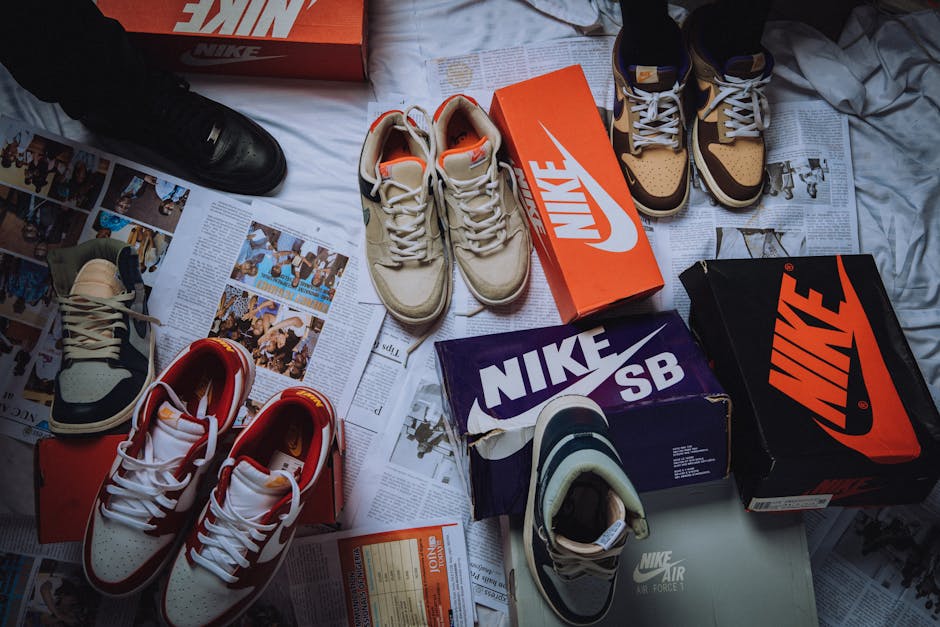
Many people believe there’s one “best” Nike shoe that fits every scenario. This simply isn’t true. Buying shoes is not a one-size-fits-all proposition. The reality is, what’s perfect for a marathon runner is likely terrible for someone lifting heavy weights or just walking around town. Choosing the right Nike shoe means understanding your specific needs and matching them to the footwear’s intended design. It’s about performance, injury prevention, and comfort, not just brand loyalty or aesthetics. In 2026, Nike offers an incredibly diverse range, and picking correctly means you get the most out of your investment.
Clarifying the “Best”: Why One Nike Shoe Isn’t Enough
Let’s get this straight: there is no single “best” Nike shoe. It’s a common misconception that leads to wasted money and discomfort. Think about it. You wouldn’t use a screwdriver for a nail, right? Shoes are tools for your feet. Each Nike model is engineered with specific activities, foot types, and performance goals in mind. Trying to use a cushioned running shoe for intense weightlifting will leave your feet unstable and your lifts compromised. Similarly, a minimalist training shoe won’t provide the shock absorption needed for long runs. You need to identify your primary activity first. This isn’t just about preventing injuries; it’s about optimizing your performance and ensuring the shoes last as long as they should.
The Cost of Generalism: Sacrificing Performance and Durability
Using a general-purpose shoe for specialized activities comes with real drawbacks. For instance, a highly cushioned running shoe like the ZoomX Invincible Run is designed for forward motion and impact absorption. Its soft foam and flexible upper aren’t built for the lateral movements, rope climbs, or heavy lifts you’d find in a CrossFit class. The soft sole would compress excessively under heavy weight, leading to instability and potential injury. Moreover, the upper materials, while breathable for running, might not withstand the abrasion of gym activities. You’ll quickly wear out the shoe’s specific features, leading to premature replacement. This means you’re not getting the performance benefits for your actual activity and you’re shortening the lifespan of an expensive item.
Matching Foot Type and Activity: A Critical First Step
Before even looking at specific models, understand your foot. Do you have high arches, flat feet, or something in between? Do you overpronate (foot rolls inward excessively) or supinate (foot rolls outward)? Nike offers shoes with varying levels of arch support and stability to address these biomechanical differences. Then, consider your primary activity. Are you a casual walker, a competitive runner, a gym enthusiast, or someone who needs a comfortable daily sneaker? For example, someone with flat feet who overpronates needs a stability running shoe with specific support structures. A neutral runner, on the other hand, might thrive in a highly cushioned, neutral shoe. Ignoring these factors is like trying to wear a hat that’s three sizes too big – it just doesn’t work. Nike provides comprehensive details on each shoe’s design intent; read them carefully.
Nike Running Shoes: Finding Your Perfect Stride in 2026

Nike dominates the running shoe market for a reason: innovation. Their lineup in 2026 caters to every type of runner, from the casual jogger to the elite racer. The key is understanding what you need out of your run. Are you looking for daily comfort, maximum cushioning for long distances, or raw speed for race day? Each segment has a specific Nike solution engineered with distinct technologies and design principles. Don’t grab the latest flashy model without knowing if it aligns with your running goals.
For Everyday Training: The Nike Air Zoom Pegasus 41 ($130)
The **Nike Air Zoom Pegasus 41** remains the workhorse of Nike’s running lineup in 2026. This shoe is built for consistency. It features a responsive ReactX foam midsole, offering excellent cushioning for daily miles, tempo runs, and longer efforts. The two Zoom Air units, one in the forefoot and one in the heel, provide a snappy, energetic feel. The engineered mesh upper breathes well and offers a secure, comfortable fit without being overly restrictive. It’s a reliable choice for runners who need a versatile shoe to handle the bulk of their weekly mileage. Expect good durability, typically around 300-500 miles, depending on your running style and weight.
For Maximum Cushioning: The Nike ZoomX Invincible Run Flyknit 4 ($180)
If plush comfort and protection for long runs are your priority, the **Nike ZoomX Invincible Run Flyknit 4** delivers. This shoe is packed with Nike’s softest and most responsive foam, ZoomX, offering an incredibly cushioned ride. It’s designed to absorb impact and reduce fatigue, making it ideal for recovery runs, long training efforts, or for runners who prefer a super soft feel underfoot. The wide base adds stability despite the high stack height. The Flyknit upper provides a comfortable, sock-like fit. This shoe excels at making long runs feel easier on your legs, allowing you to go further with less strain. Its sole durability is excellent, but the soft upper might show wear faster with aggressive use.
For Race Day Speed: The Nike Vaporfly 3 ($260)
When every second counts, the **Nike Vaporfly 3** is the shoe you reach for. This is a dedicated racing flat, engineered for speed. It combines a full-length carbon fiber plate with a generous stack of ZoomX foam, creating a propulsive, energy-returning ride. The ultralight upper minimizes weight, and the overall design is optimized for forward momentum. It’s not meant for daily training; rather, it’s a tool to be deployed on race day or for key speed workouts. The carbon plate provides stiffness and acts as a lever, reducing the energy cost of running. For runners aiming for personal bests in distances from 5k to marathons, the Vaporfly 3 offers a distinct performance advantage. Its durability is lower than daily trainers due to its lightweight construction and specialized purpose.
Prioritize Fit Over Fashion
It’s easy to get caught up in the latest colorways or celebrity endorsements when buying shoes. However, the most critical factor, far above aesthetics, is fit. A shoe that doesn’t fit properly can cause blisters, bunions, plantar fasciitis, and other painful conditions. It can also throw off your biomechanics, leading to knee, hip, or back pain. Think of your feet as the foundation of your body. If the foundation isn’t supported correctly, issues will ripple upwards. Always prioritize comfort and proper sizing first. The best-looking shoe in the world is useless if it hurts your feet.
Measuring Your Feet Accurately at Home
Don’t assume your shoe size is static. Foot size can change over time due to age, weight fluctuations, and even pregnancy. Measure your feet regularly. The best way is to trace your foot on a piece of paper while standing. Measure the length from your longest toe to your heel, and the width at the widest part of your foot. Do this for both feet, as one is often slightly larger than the other. Always size your shoes to the larger foot. Do this measurement when your feet are slightly swollen, mimicking their size during activity. Compare these measurements to Nike’s sizing chart, which can usually be found on their website.
The Thumb Rule and Heel Slip Test
When trying on shoes, there are two quick checks to ensure a good fit. First, the “thumb rule”: with your foot firmly against the back of the shoe, ensure there’s about a thumb’s width of space between your longest toe and the end of the shoe. This allows for natural foot expansion during activity and prevents your toes from jamming. Second, the “heel slip test”: walk around in the shoes. Your heel should feel secure and not slip excessively. A little movement is normal, but too much indicates the shoe is too big, which can cause blisters and instability. Lace them up properly, as if you were about to perform your activity, to get the most accurate feel.
Nike Training Shoes: Stability and Support for Every Workout

Training shoes are a different beast entirely from running shoes. They need to handle multi-directional movements, provide a stable base for lifting, and withstand abrasive activities like rope climbs. Nike offers excellent options here, primarily through its Metcon line. Choosing between them depends on your specific gym routine: are you primarily lifting heavy, or is your workout more dynamic with HIIT and agility drills? Understanding this distinction is key to picking the right tool for the job. Below is a comparison of two leading models.
| Feature | Nike Metcon 9 ($150) | Nike Free Metcon 5 ($120) |
|---|---|---|
| Primary Focus | Weightlifting, stability, durability | Agility, flexibility, light lifting |
| Midsole | Dual-density foam with Hyperlift plate | Soft Nike Free forefoot, firm heel |
| Flexibility | Lower, very stable | Higher in forefoot, more versatile |
| Upper Material | Durable mesh with rubber wraps | Lightweight, breathable mesh |
| Best For | Heavy lifting, CrossFit WODs, rope climbs | HIIT, functional training, bodyweight |
| Stability | Excellent, flat and wide base | Good, more forgiving for movement |
Nike Metcon 9 ($150): The Stability Powerhouse
The **Nike Metcon 9** is the undisputed champion for serious lifters and CrossFit athletes in 2026. This shoe features an even wider Hyperlift plate in the heel, which provides exceptional stability for squats, deadlifts, and other heavy Olympic lifts. The dual-density foam midsole offers a firm, flat base for power transfer, while still providing enough cushioning for short sprints or jumps within a workout. The upper is incredibly durable, reinforced with rubber wraps for rope climbs and lateral support. If your workouts involve heavy weights, demanding WODs (Workout of the Day), or movements that require maximum ground contact and stability, the Metcon 9 is built to perform and last. It’s a robust, no-nonsense training shoe.
Nike Free Metcon 5 ($120): For Agility and Versatility
For those who prioritize agility, flexibility, and a more natural feel for dynamic workouts, the **Nike Free Metcon 5** is the better choice. It integrates Nike Free technology in the forefoot, which allows for greater foot articulation and natural movement, ideal for burpees, box jumps, and quick directional changes. The heel remains stable enough for moderate lifting, but the overall design leans towards versatility rather than maximal stability. The lightweight, breathable upper ensures comfort during high-intensity intervals. If your training involves a mix of bodyweight exercises, functional movements, and lighter lifting, the Free Metcon 5 offers a balanced blend of flexibility and support. It’s a great option for HIIT classes or general fitness enthusiasts.
Understand Nike’s Core Technologies
Nike isn’t just about cool designs; it’s about pushing boundaries with material science. Their success stems from proprietary technologies that genuinely enhance performance and comfort. Understanding these core innovations helps you make an informed decision beyond just the model name. It’s the engine beneath the hood that differentiates one shoe from another, impacting everything from cushioning to responsiveness and durability. Knowing what these do can guide you to the perfect pair for your needs.
Nike Air Technology: Cushioning That Lasts
First introduced in 1978, Nike Air technology remains a cornerstone. It involves pressurized air encapsulated within a durable, flexible urethane pouch in the midsole. This provides lightweight cushioning and impact absorption that rebounds quickly. The beauty of Air is its longevity; unlike foam, which can break down over time, Air units retain their properties for the lifespan of the shoe. Different iterations exist: Max Air for maximum visual air and cushioning, Zoom Air for thin, responsive, and close-to-the-ground cushioning, and Air-Sole for a more traditional, balanced feel. Look for Air technology in models like the Pegasus for a responsive ride and the Air Max series for lifestyle comfort.
ZoomX Foam: Lightweight Responsiveness for Speed
**ZoomX foam** is Nike’s lightest, softest, and most energy-returning foam. Developed from materials used in aerospace innovation, it delivers an astounding 85% energy return. This means a significant portion of the energy you put into each stride is returned, propelling you forward. ZoomX is engineered for speed and efficiency, making it the preferred choice for elite racing shoes and high-performance training models. It’s noticeably lighter and more bouncy than other foams. You’ll find ZoomX in shoes like the Vaporfly, Alphafly, and Invincible Run series, where its primary goal is to maximize speed and reduce fatigue over long distances.
React Foam: Softness and Energy Return
**React foam** is Nike’s proprietary synthetic rubber foam, first launched in 2017. Its key attributes are softness, responsiveness, lightness, and durability – a combination that was hard to achieve simultaneously before its introduction. React foam offers an excellent balance: it’s softer than traditional EVA foam, providing great cushioning, but also more durable and energy-returning than typical soft foams. It’s designed for consistent comfort and performance over many miles, making it ideal for daily trainers and versatile lifestyle shoes. Shoes like the Pegasus (which often combines ReactX with Zoom Air) and various lifestyle models benefit from React’s ability to deliver a smooth, resilient ride for everyday wear and training.
Nike Lifestyle Sneakers: Style Meets All-Day Comfort
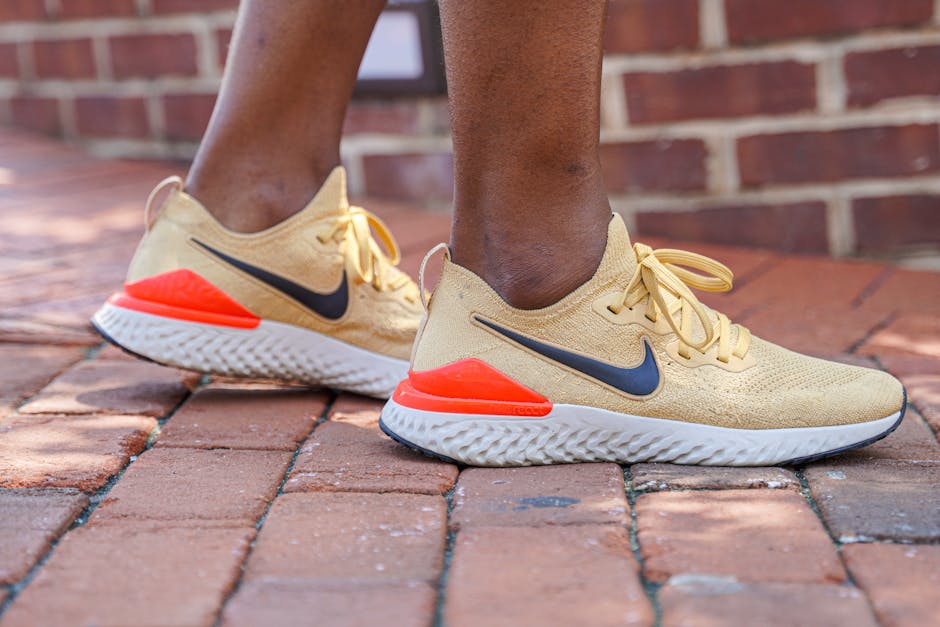
Beyond performance, Nike also dominates the lifestyle and casual sneaker market. These shoes prioritize aesthetics, heritage, and all-day comfort. While they might borrow elements from their performance counterparts, their primary goal is to look good and feel good during daily wear, not to shave seconds off your mile time or provide maximum stability for a heavy lift. Choosing a lifestyle sneaker is often about personal style, but comfort should still be a significant factor.
What makes the Air Force 1 a timeless pick? ($110)
The **Nike Air Force 1** is a cultural icon. Launched in 1982 as a basketball shoe, it quickly transcended sports to become a streetwear staple. Its timeless appeal comes from its simple, clean design, comfortable Air-Sole unit, and incredible versatility. It pairs well with almost any outfit, from jeans to dresses. The durable leather upper and sturdy rubber outsole mean it can take a beating and still look good. While not a performance shoe by modern standards, its enduring popularity stems from its comfort for casual wear, its availability in countless colorways, and its status as a foundational piece of sneaker history. It’s a shoe that never goes out of style and remains incredibly relevant in 2026.
Why are Nike Dunks still trending in 2026? ($115-$130)
The Nike Dunk, originally a basketball shoe from 1985, experienced a massive resurgence and remains a highly sought-after lifestyle sneaker in 2026. Its enduring trendiness comes from several factors: its distinct, recognizable silhouette, its history tied to both basketball and skateboarding culture (as the SB Dunk), and Nike’s strategic release of diverse colorways and limited editions. The Dunk’s flatter sole provides a solid base for casual wear, and while it lacks advanced cushioning, it offers adequate comfort for daily activities. Its relatively simple construction makes it a canvas for various materials and collaborations, keeping it fresh and desirable among collectors and fashion enthusiasts alike.
Is the Air Max 90 comfortable for daily wear? ($130)
Absolutely. The **Nike Air Max 90**, first released in 1990, is celebrated for its visible Max Air unit in the heel, which provides excellent cushioning for daily wear. Its distinctive layered upper and iconic silhouette make it a standout lifestyle shoe. The Max Air unit offers a noticeable bounce and softness underfoot, making it comfortable for extended periods of standing or walking. While it’s not designed for high-performance sports, its blend of heritage style and reliable cushioning makes it a popular choice for those seeking a stylish sneaker that can also deliver all-day comfort. The durable construction and variety of material options also contribute to its lasting appeal.
The Single Most Important Takeaway for Your Next Nike Purchase
Always align your Nike shoe choice with your specific activity and foot mechanics.