
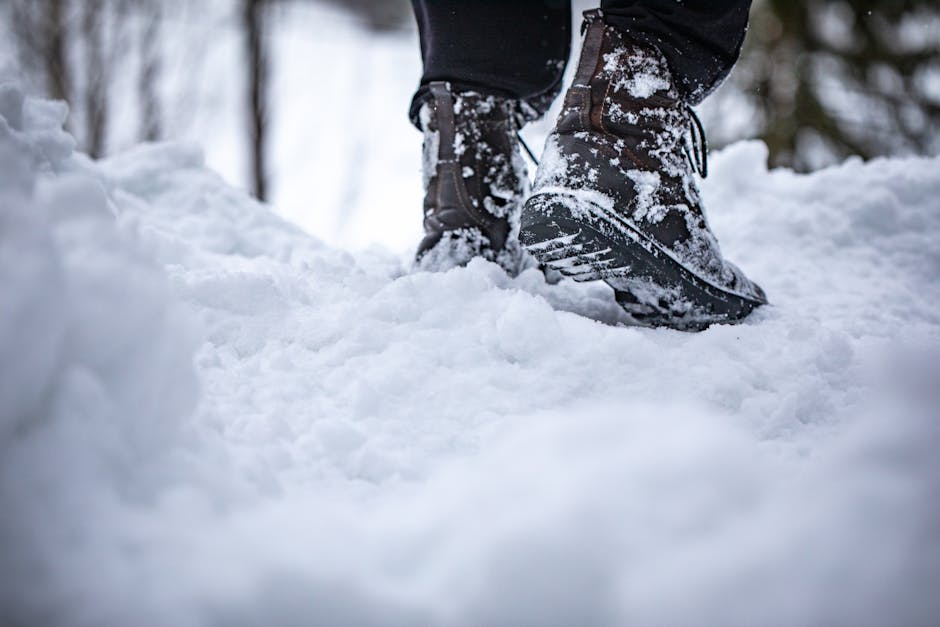
Winter in many regions means navigating icy sidewalks, slushy streets, and biting cold. Choosing the right footwear isn’t just about staying warm; it’s about staying safe and upright. You need boots that provide reliable traction and insulation without feeling like bricks on your feet.
Imagine stepping out, dreading that sudden slip on black ice. Your old boots offer zero confidence. This guide cuts through the marketing to tell you exactly how Nexgrip boots perform, helping you decide if they’re the practical solution for your winter challenges.
Understanding Winter Boot Insulation for Real Cold
Before diving into specific models, let’s nail down what actually keeps your feet warm. Insulation isn’t just fluff; it’s carefully engineered material that traps air, preventing heat loss from your body. The type and amount of insulation directly impact a boot’s effective temperature rating. Don’t fall for vague claims; look for specifics like grams of Thinsulate or a clear stated temperature limit.
Synthetic insulation, like Thinsulate, is popular because it performs well even when damp. Natural options, such as wool or shearling, offer excellent warmth but can lose effectiveness if they get soaked through. Knowing the difference helps you pick a boot suited for your local conditions—dry, extreme cold versus wet, milder winter days.
Thinsulate vs. Natural Wool: Choosing Your Warmth
When selecting winter boots, Thinsulate insulation (typically 200g to 600g) is a standard. 200 grams of Thinsulate is generally good for temperatures down to around -20°C (0°F) for moderate activity. For colder conditions, or if you stand still a lot, look for 400g or 600g, which can handle -30°C to -40°C (-22°F to -40°F). It’s lightweight and maintains some insulating properties even if it gets slightly wet. Brands like Nexgrip frequently use Thinsulate in their designs for this reason.
Natural wool or shearling, on the other hand, excels at moisture wicking and breathability, keeping feet dry and comfortable. They provide exceptional warmth, but their performance drops significantly if they become saturated. If you’re often in deep snow or slush, ensure the wool is paired with a robust waterproof membrane to protect its insulating capabilities. For extremely cold, dry climates, natural wool can be superior.
Temperature Ratings Explained: Beyond the Label
Boot temperature ratings, like "rated to -30°C (-22°F)," are often based on laboratory tests with active subjects. This means the rating assumes you’re moving, generating body heat. If you plan to stand still for extended periods—ice fishing, watching outdoor sports—you should consider a boot rated for at least 10-15 degrees colder than the actual expected temperature. For example, if it’s -20°C, choose a boot rated for -35°C. Factors like sock thickness, blood circulation, and hydration also play a significant role in how warm your feet feel.
How Nexgrip’s Spikeless Grip Systems Tackle Ice
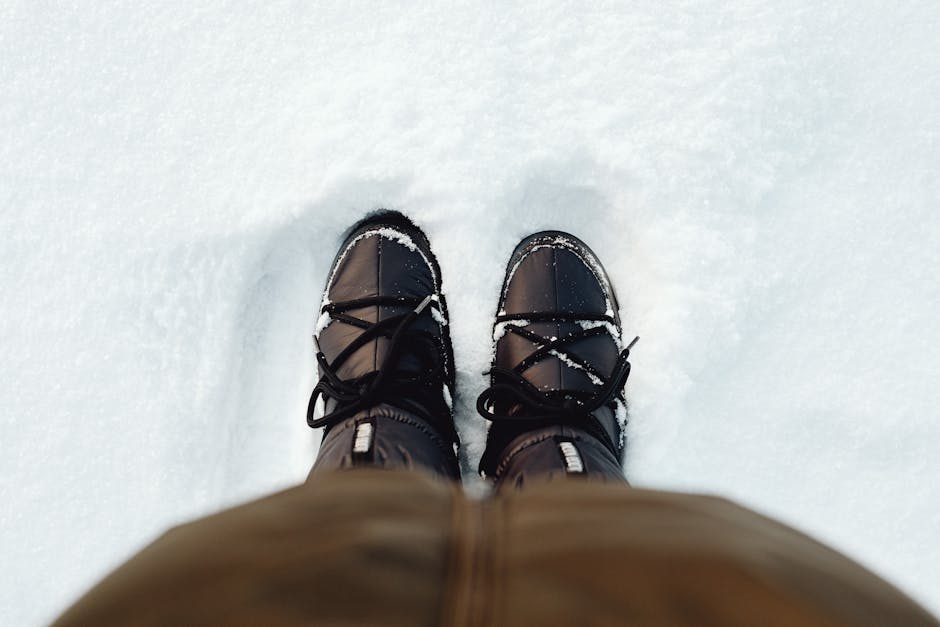
Nexgrip boots are known for their advanced traction systems, specifically designed to combat slippery winter surfaces. Their approach combines specialized rubber compounds with strategically placed grip elements. Unlike traditional boots that only rely on tread depth, Nexgrip integrates features that interact directly with ice and packed snow, vastly improving stability.
This isn’t just about a fancy sole pattern. It’s about material science and intelligent design working together to create friction where other boots simply slide. The aim is to provide a confident stride, reducing the constant worry of a fall.
Retractable Cleat Mechanisms: When to Engage
Some Nexgrip models, such as the Avalanche or Explorer series, feature a retractable cleat system. This system typically involves small, hardened steel cleats embedded in the outsole that can be deployed or retracted as needed. To engage them:
- Locate the lever or dial: Usually on the side or heel of the boot.
- Turn or slide the mechanism: This pushes the cleats out of the sole. You’ll often hear a click as they lock into place.
- Test on a safe surface: Before committing to a long walk, test the grip on a less slippery patch to ensure the cleats are fully engaged.
- Retract when indoors: Always retract the cleats using the same mechanism before going indoors on hard surfaces, as they can damage floors and be slippery themselves on tile.
This dual functionality gives you control: aggressive grip on ice, and a flat, comfortable sole for cleared paths.
Non-Cleated Traction Systems: Nexgrip’s IceFX and Arctic Grip
Nexgrip also offers models with advanced non-cleated outsoles, often utilizing technologies like IceFX or collaborating with Vibram’s Arctic Grip. These systems rely on unique rubber compounds and lug patterns that remain flexible in extreme cold, allowing them to "bite" into ice without the need for metal studs.
- IceFX: This proprietary technology uses a specific blend of rubber that stays pliable in sub-zero temperatures, combined with microscopic, glass fiber "filaments" integrated into the rubber. These filaments create a sandpaper-like effect, increasing friction on wet ice.
- Arctic Grip: Developed by Vibram, this advanced sole uses a special polymer blend that grips slick, wet ice exceptionally well. It’s identifiable by its distinct rough, often blue or black, speckled texture. This is a "set it and forget it" solution; no manual engagement needed, just reliable grip from the moment you step onto ice.
For consistent, hassle-free ice traction, the non-cleated options are often preferred, especially if you move frequently between icy and non-icy surfaces.
Assessing Waterproofing for Winter Conditions
It’s an absolute must: your winter boots need to be waterproof, not just water-resistant. "Water-resistant" means it can shed light rain or splashes for a short time. "Waterproof" implies a sealed barrier, often a membrane, that prevents water from entering even when submerged or exposed to continuous wetness. Wet feet quickly become cold feet, leading to discomfort and even frostbite risk. Always check for explicit "waterproof" claims and investigate the specific membrane used.
Gore-Tex vs. Proprietary Membranes: What to Look For
The gold standard for waterproofing is often a Gore-Tex membrane. It’s known for being highly breathable while completely blocking water. Boots with Gore-Tex will usually cost more, but the performance is consistently reliable. Many brands, including Nexgrip, also use their own "proprietary" membranes (e.g., "Nexgrip Waterproof Membrane" or similar). These can be very effective, but their performance can vary. When evaluating a proprietary membrane, look for user reviews that specifically address long-term waterproofing in slushy, wet conditions, not just dry snow.
Seam-Sealing Techniques: The Hidden Key to Dry Feet
A waterproof membrane is only as good as its weakest link, and often, that’s the seams. High-quality waterproof boots feature "seam-sealed" construction. This means that after the boot is stitched together, the seams are taped or glued from the inside to prevent any water from seeping through the tiny needle holes. Without proper seam sealing, even a Gore-Tex membrane can fail. Always check if a boot explicitly states "fully seam-sealed" in its specifications. This detail is crucial for ensuring your feet stay dry when trudging through deep snow or persistent puddles.
Nexgrip Boot Models: A Quick Comparison

Nexgrip offers a range of boots designed for varying levels of cold and activity. Choosing the right model depends on your specific needs: how cold it gets, how much ice you encounter, and your typical winter activities. Here’s a breakdown of some popular Nexgrip models, their key features, and what conditions they handle best, based on common designs.
| Model | Insulation Type | Temperature Rating | Traction System | Waterproofing | Typical Price Range (USD) |
|---|---|---|---|---|---|
| Nexgrip Klondike | 200g Thinsulate | -25°C (-13°F) | IceFX Outsole | Waterproof Membrane | $150 – $180 |
| Nexgrip Avalanche | 400g Thinsulate | -35°C (-31°F) | Retractable Cleats + Rubber | Waterproof Membrane | $180 – $220 |
| Nexgrip Explorer | 600g Thinsulate | -45°C (-49°F) | Retractable Cleats + IceFX | Waterproof Leather/Membrane | $200 – $250 |
| Nexgrip Trailblazer | 200g Thinsulate | -20°C (-4°F) | Arctic Grip Outsole | Waterproof Membrane | $160 – $190 |
The Klondike is a solid choice for general urban winter use, offering good warmth and reliable everyday ice grip with its IceFX sole. For those needing more aggressive traction and warmth in harsher conditions, the Avalanche or Explorer with retractable cleats are strong contenders. The Trailblazer provides a premium, non-cleated grip for diverse icy terrains.
Real-World Comfort and Fit: What Users Report
Beyond specs, how a boot feels on your foot is critical for long winter days. Nexgrip boots often get feedback on their initial stiffness, which is common for durable winter footwear. They typically require a short break-in period, perhaps a few walks around the block, before the materials soften and conform to your foot shape. The fit is generally true to size, but always consider the socks you’ll wear; thick wool socks demand a bit more room.
Many users appreciate the roomy toe box, which is essential for proper circulation in cold weather. A cramped toe box restricts blood flow, making your feet colder faster. Arch support varies by model, so if you have specific arch needs, plan to use aftermarket insoles if the built-in support isn’t sufficient for your foot type. Boots like the Nexgrip Klondike offer moderate arch support, while heavier-duty models might provide more robust structuring.
Sizing Tips for Optimal Winter Performance
When trying on Nexgrip boots, or any winter boot, wear the specific type of socks you intend to use with them. For most people, this means a medium-to-heavyweight wool or synthetic blend sock. You should have enough room to wiggle your toes comfortably, but your heel should not slip excessively when you walk. A common mistake is buying boots too small, which compresses insulation and restricts blood flow, leading to colder feet. If you are between sizes, generally size up for winter boots.
Arch Support Solutions for Long Walks
While Nexgrip boots offer standard comfort, individuals with high arches or pronation issues might find the built-in arch support insufficient for long periods of walking. In such cases, easily replaceable aftermarket insoles can make a significant difference. Brands like Superfeet (e.g., Superfeet GREEN for medium-to-high arches, around $50) or Powerstep (e.g., Powerstep Pinnacle for moderate support, around $30) offer various levels of arch support and cushioning. Remove the boot’s original insole before inserting an aftermarket one to ensure a proper fit without making the boot too tight.
Maintaining Your Nexgrip Boots for Longevity
Your Nexgrip boots are an investment in winter safety and comfort. Proper care ensures they last for many seasons, maintaining their waterproofing, insulation, and crucial traction capabilities. Neglecting simple cleaning and storage can drastically shorten their lifespan and reduce their effectiveness when you need them most.
How do I clean my Nexgrip boots?
For routine cleaning, brush off loose dirt and mud with a soft brush (a stiff toothbrush works for crevices). For stubborn stains, use a damp cloth with a mild soap solution (like Nikwax Footwear Cleaning Gel, about $10). Avoid harsh detergents, as they can strip away DWR (Durable Water Repellent) coatings and damage waterproof membranes. If your boots have leather components, follow with a leather conditioner specifically for waterproof footwear (e.g., Granger’s G-Wax, about $15) to prevent cracking.
Can I use waterproof sprays on them?
Yes, absolutely. Even if your Nexgrip boots have a waterproof membrane, the outer fabric or leather can still get saturated, which reduces breathability and makes the boots feel heavier and colder. Applying a DWR (Durable Water Repellent) spray or wash-in treatment (like Nikwax TX.Direct Wash-In, about $15, or a spray like Scotchgard Heavy Duty Water Shield, about $12) will help water bead up and roll off the surface. Reapply annually, or more frequently if you use your boots often in wet conditions. Always clean the boots thoroughly before applying any treatment.
How often should I check the cleats on my Nexgrip boots?
If your Nexgrip model features retractable cleats, inspect them before and after each use, especially if you’ve walked on asphalt or concrete. Look for signs of wear, bending, or excessive dullness. While individual cleats are generally robust, they can wear down over time. If a cleat is severely damaged or missing, contact Nexgrip’s customer service for potential replacement parts or advice. For models with IceFX or Arctic Grip, simply inspect the sole for any deep cuts or embedded debris that might compromise its grip.
The Verdict: Are Nexgrip Boots Worth the Investment?
Yes, for anyone consistently facing icy conditions, Nexgrip boots are a worthwhile investment. Their dedicated traction systems—whether retractable cleats or advanced rubber compounds like IceFX—genuinely deliver superior grip compared to standard winter boots. If your daily routine involves navigating frozen sidewalks and you prioritize safety and warmth, these boots address those specific problems effectively.
You started this search worried about slipping on ice, enduring cold feet, and constantly replacing inadequate winter footwear. By understanding Nexgrip’s insulation, waterproofing, and specialized traction features, you now have the practical knowledge to choose a boot that keeps you upright and warm. Step out this winter with confidence, knowing your feet are protected by technology designed for the toughest conditions.