
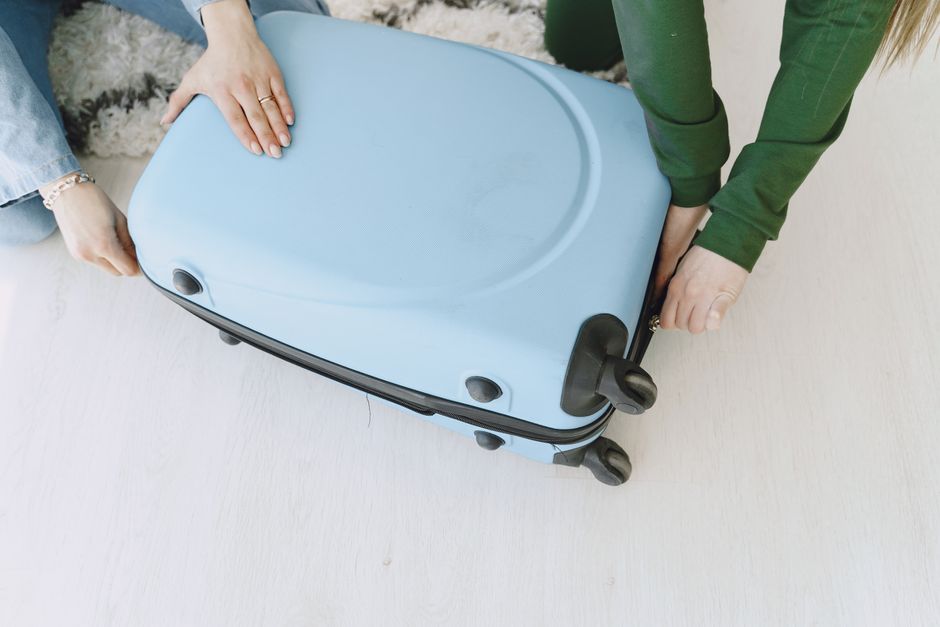
Can you really pack seven days of summer outfits in one carry-on without wearing the same shirt in every photo? Yes, but only if every item earns its space. The trick is not folding smaller. It is building a small wardrobe that shares colours, survives heat, and can handle one quick wash. The plan below suits a warm-weather trip with casual days, one or two dinners, beach time, and ordinary city walking.
How many clothes fit in one carry-on?
Start with a seven-day clothing formula
Pack five tops, three bottoms, one light layer, one dress or smarter outfit, two swimsuits, seven pairs of underwear, and three pairs of socks. Wear your heaviest shoes and the light layer on the flight. This gives you enough combinations for a week without treating every day as a separate costume. A top should work with at least two bottoms. A bottom should work with at least three tops. If it fails that test, it stays home.
- Five tops: two neutral, two colourful, one evening option.
- Three bottoms: one short, one lightweight trouser, one skirt or second short.
- One layer: a cardigan, overshirt, or thin sweatshirt.
- Three pairs of shoes at most: wear the largest pair.
Set a colour ceiling before you pack
Choose two base colours and one accent colour. Navy, cream, and red create more useful combinations than six unrelated prints. Keep jewelry, belts, and bags in one metal and one neutral shade. This sounds strict, but it removes the dead weight created by outfits that look good alone and fail beside everything else. The clear verdict is five tops and three bottoms for a seven-day trip. Packing more clothes usually creates more decisions, not better style.
How should you divide a carry-on by weight and space?
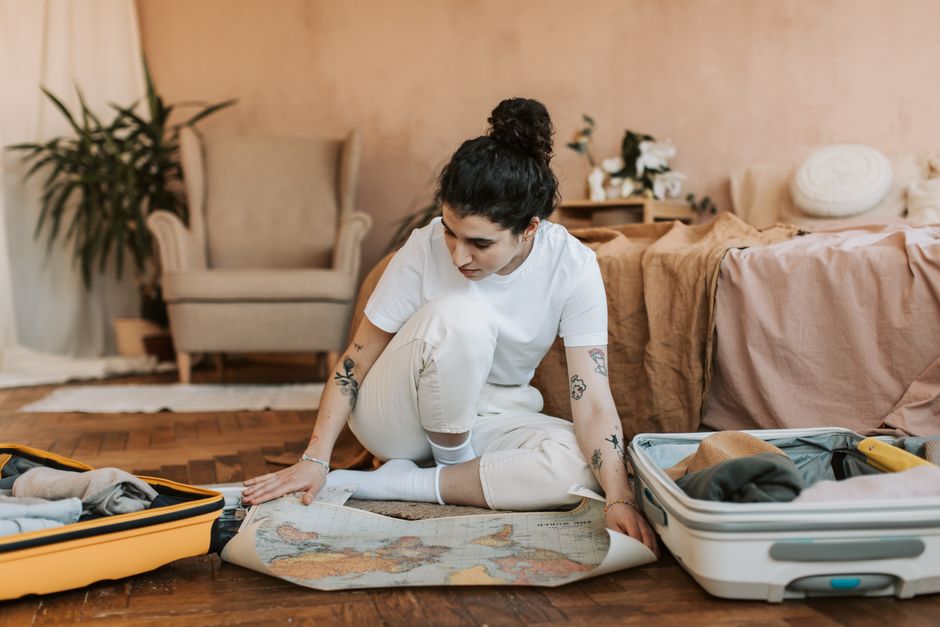
Think in limits, not empty volume. A soft bag may hold 30 litres, but a full 30 litres can become uncomfortable to carry and risky at the gate. Leave roughly 15 percent of the main compartment empty for a swimsuit, a souvenir, or clothes that did not dry fully.
Keep dense items low and flat
Put shoes, a toiletry pouch, and folded denim near the wheels or base of a roller bag. Fill shoes with socks or swimwear. Roll soft T-shirts only when that shape fits the compartment; flat-fold linen and structured pieces so they do not become narrow ropes. The goal is an even load, not a clever folding trick.
Protect the return journey
Use one small pouch for dirty laundry and keep one pocket empty from the start. A bag packed to its zipper on day one leaves no room for damp clothes or a small purchase. This space rule matters more than buying a premium packing cube.
Which fabrics work best for hot-weather travel?
The best summer travel fabric balances three things: heat management, drying time, and resistance to creasing. A fabric that feels cool in the hotel but takes two days to dry is a poor choice for a small wardrobe. You need clothes that can be washed in a sink, worn again after breakfast, and still look presentable at dinner.
Use linen and cotton for high-heat days
Linen breathes well and looks intentional when it wrinkles, which makes it a strong choice for shirts, loose trousers, and dresses. Lightweight cotton feels familiar and handles repeated wear, but thick cotton T-shirts take longer to dry. Choose thin jersey, poplin, or cotton voile instead of heavy loopback fabric. A linen-cotton blend is often the best compromise: cooler than standard cotton and less rumpled than pure linen.
Use nylon and merino for problem areas
Nylon works well for swim shorts, active layers, and skirts that need to dry quickly. It can feel less polished, so reserve it for pieces with a clean cut. Fine merino is useful for a light travel top because it resists odor and handles temperature changes, but it costs more and needs gentler washing. Do not pack a full merino wardrobe simply because one shirt works well.
Run the sink-wash test at home
Before packing a new item, wash it by hand, squeeze it in a towel, and hang it overnight. If it is still wet or badly misshapen the next morning, it does not belong in a one-carry-on plan. The winning fabric mix is two or three easy-wash tops, one polished natural-fiber piece, and quick-drying swimwear. That gives comfort without betting the trip on hotel laundry.
How do you build outfits instead of packing random clothes?
Build the outfits on your bed before anything enters the bag. This catches duplicate pieces early and shows which item carries the most work.
Use this five-step outfit system
- Pick one travel outfit that includes your heaviest shoes, trousers, and light layer.
- Create three daytime outfits using the same two bottoms and three tops.
- Add one dinner outfit by changing only the top, shoes, or accessories.
- Make one beach outfit with swimwear, a cover-up, and sandals.
- Photograph each outfit so you do not unpack the whole bag at the hotel.
Buy the versatile item, not the loudest item
My verdict: choose the plain T-shirt and practical sandal first; add a statement piece only after the core outfits work.
What should you leave out, and when should you buy another bag?
The most expensive packing mistake is buying capacity before solving the wardrobe. More litres make it easier to pack duplicates, while airline rules still decide what reaches the cabin.
Should you pack a separate outfit for every day?
No. Seven complete outfits usually means seven tops, seven bottoms, and several items that never meet another piece. Pack for seven days of wear, not seven different looks. Repeat the bottom and change the top, belt, or jewelry. If you need formal clothing for a wedding, remove two casual items and build around the formal piece.
When should you leave the expandable case at home?
Leave the July Carry On Light Expandable unexpanded when the airline limit is tight, and do not buy a larger case just for a possible shopping trip. If your ticket includes only a small personal item, the Patagonia Black Hole Mini MLC may still be too large, so check the carrier’s exact dimensions before departure.
Pay cash if the bag is optional, and skip a new purchase if your existing case meets the airline limit.
What is the final 15-minute carry-on check?
Lay out the travel outfit, five tops, three bottoms, one layer, one smart option, swimwear, underwear, toiletries, and two packed pairs of shoes; then remove the least versatile item before closing the bag. Measure the packed case, weigh it on a household scale, and check the airline’s current personal-item and cabin-bag limits because a stylish capsule does not override a gate agent’s ruler. Wear the bulkiest shoes and layer, keep liquids in a clear pouch, and leave roughly 15 percent of the bag empty for damp clothes or a small purchase. The answer to the opening question is now practical: you can take a full summer holiday wardrobe in one carry-on when each item supports several outfits, the fabric survives a sink wash, and the bag stays within its real size and weight limits.