
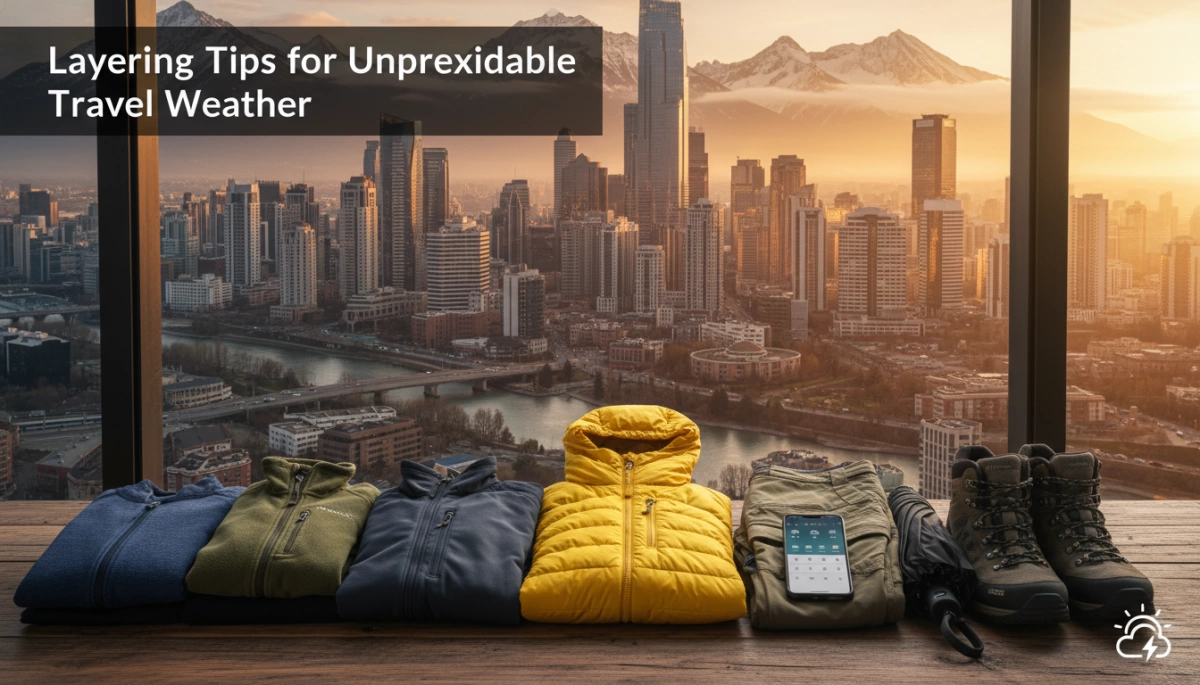
Understanding the Layering System
When packing for unpredictable travel weather, mastering the layering system is your best strategy. Instead of relying on one bulky coat, layering involves combining clothing layers for travel that work together to keep you comfortable no matter what the day brings. The system breaks down into three core layers, each with a specific role:
- Base layer: Wicks moisture away from your skin to keep you dry and regulate temperature.
- Mid layer: Provides insulation, trapping heat without adding bulk.
- Outer layer: Protects you from wind, rain, and cold, while remaining breathable and removable.
Why does this work better than a single heavy item? Because layers give you flexibility. When the weather shifts from chilly mornings to warm afternoons or unexpected rain shows up, you can add or shed layers to stay comfortable. Plus, layering lets you pack lighter and adapt quickly—perfect for any trip.
The key principles to keep in mind are moisture-wicking, insulation, protection, and breathability. Moisture-wicking fabrics prevent sweat buildup, insulation keeps your body heat locked in, protection shields you against the elements, and breathability avoids overheating. Together, these elements make layering a versatile solution for variable weather and help you build a functional and versatile travel wardrobe that’s ready for anything.
Base Layers: Your Foundation for Comfort
Base layers are your travel outfit’s unsung heroes. Their main job is to wick sweat away from your skin, regulate your temperature, and provide lightweight warmth without adding bulk. When packing for unpredictable travel weather, choosing the right base layers is essential.
Best Fabrics: Merino Wool vs. Synthetics
- Merino Wool: Naturally odor-resistant and excellent for temperature regulation, merino wool keeps you warm in cooler temps and cool when it’s warmer. It’s soft, breathable, and perfect for multi-climate packing but can be pricier and requires gentle care.
- Synthetics (like polyester blends): These dry quickly, are durable, and usually more affordable. They’re great for travelers on a budget and can handle lots of wear-and-tear, but may hold onto odors more than wool.
Avoid cotton base layers as they absorb moisture and dry slowly, which can leave you cold or uncomfortable during variable weather.
Recommendations for Travel Layers
- Tops: Opt for fitted long-sleeves or short-sleeves in merino or synthetic materials depending on your destination’s climate.
- Bottoms & underwear: Lightweight leggings or underwear with moisture-wicking fabric offer comfort and quick drying, essential for layering and active days.
Tips for Warm vs. Cooler Weather
- For warmer destinations, pick thin, breathable base layers that excel at moisture-wicking to stay cool and dry.
- In cooler, unpredictable climates, choose slightly thicker merino wool options or mid-weight synthetics to trap heat while still managing sweat.
Wearing the right base layers creates a solid foundation for your versatile travel wardrobe, making it easier to adjust layers as weather shifts — a smart move for any variable weather packing strategy. For more on creating adaptable travel outfits, check out this guide on building a versatile travel wardrobe.
Mid Layers: Adding Insulation Without Bulk
The mid layer is your key insulation piece, designed to trap heat while still letting your body breathe and move freely. Unlike bulky coats, a good mid layer adds warmth without weighing you down—perfect for unpredictable travel weather.
Key Roles of Mid Layers:
- Trap body heat for warmth
- Allow ventilation to avoid overheating
- Maintain flexibility for comfort on the go
Best Mid Layer Options for Travel:
| Mid Layer Type | Pros | Ideal For | Packability |
|---|---|---|---|
| Fleece pullovers | Lightweight, breathable, quick-dry | Casual and active travel | Compressible and light |
| Lightweight sweaters | Soft, polished look | Urban settings, layering | Packable if thin knit |
| Insulating vests | Core warmth without bulk | Layer control, mild chill | Easy to fold, minimal |
| Thin puffers | Warm, wind-resistant | Cooler days, outdoor use | Compressible, tech fabrics |
How to Choose Mid Layers for Carry-On Travel
- Look for lightweight, packable fabrics that don’t take up much space.
- Pick versatile pieces that work for both daytime warmth and layering under jackets.
- Prioritize breathability and stretch to keep moving comfortably.
- Opt for neutral colors to mix and match easily with your base and outer layers.
Styling Tips to Keep It Polished
- Go for slim or fitted mid layers to avoid bulk under outerwear.
- Combine textures, like soft fleece with a sleek shell, for a balanced look.
- Layer over a crisp merino wool base layer for smart-casual trips.
- Use vests to add dimension and shape without overheating.
By selecting well-planned mid layers, you have the ideal balance of warmth and mobility without sacrificing style, especially when packing light for carry-on only travel.
For more travel style inspiration, check out my rules for polished outfits on the go.
Outer Layers: Protection from Wind, Rain, and Cold
The outer layer is your first line of defense against unpredictable travel weather. Its main role is to shield you from wind, rain, and cold while being easy to remove if temperatures change. For variable conditions, this layer needs to be lightweight, waterproof or windproof, and breathable to keep you comfortable throughout your adventures.
Essentials for outer layers include:
- Waterproof breathable jackets: Look for packable rain shells that easily fit into a carry-on yet keep you dry without overheating.
- Windbreakers: Great for windy days and light chill, these add protection without bulk.
- Soft shells: Ideal when you need some water resistance and breathability but don’t want a heavy coat.
When packing for travel, choose versatile outer layers that transition smoothly from urban sightseeing to outdoor activities. A packable travel jacket that folds compactly yet offers protection is a must-have for a versatile travel wardrobe.
Consider investing in 3-in-1 jackets for maximum flexibility. These combine a waterproof shell with an inner insulating layer, letting you adapt quickly by wearing one or both layers. They’re a smart choice for destinations where weather swings between cold and wet within hours.
For smooth layering and travel ease, prioritize outer layers that balance protection with packability to handle unpredictable weather while keeping your suitcase light.
For more travel-ready wardrobe tips, check out my guide on versatile everyday clothing to build a practical capsule wardrobe.
Accessories: The Often-Overlooked Layers
When thinking about clothing layers for travel, accessories often get overlooked, but they’re game-changers for unpredictable weather. Scarves, hats, gloves, and buffs can help you quickly adjust to temperature swings without packing bulky items. For example, a lightweight blanket scarf can double as a cozy wrap on planes or chilly evenings, adding warmth without extra weight.
Socks and footwear matter just as much—opt for moisture-wicking, quick-dry socks to keep your feet comfortable in wet or variable conditions. Waterproof or water-resistant shoes and boots are essential for protecting your feet while exploring, especially when the weather turns rainy or windy. Choosing versatile accessories means you stay comfortable and prepared without overpacking.
For ideas on stylish and functional travel accessories, check out my favorite picks in this accessories guide.
Fabric Choices for Travel Layering
Choosing the right fabrics is crucial when layering for unpredictable travel weather. Merino wool stands out as a top pick because it’s naturally odor-resistant and excellent at regulating body temperature—keeping you warm without overheating. It’s perfect for long trips where washing options are limited. On the other hand, synthetic fabrics like polyester or nylon are quick-drying, affordable, and durable, making them great for active days or humid climates.
Avoid cotton, as it retains moisture and takes forever to dry, which can leave you uncomfortable and cold. Also, steer clear of overly bulky materials that add unnecessary weight to your luggage. Instead, opt for lightweight, packable layers made from sustainable and quick-dry fabrics—ideal for frequent travelers who want a versatile travel capsule wardrobe that performs well in variable weather conditions.
Packing Strategies for Unpredictable Weather
When packing for travel with unpredictable weather, building a capsule wardrobe around neutral colors is your best bet. Neutrals make mixing and matching easy, so you can create multiple outfits without overpacking. Focus on versatile, compressible items like lightweight insulating layers and packable travel jackets that won’t take up much space in your carry-on.
Always check the weather forecast before you go, but stay ready for surprises by including moisture-wicking base layers and waterproof breathable shells. This approach helps you adapt to sudden changes in temperature or unexpected rain.
For airplane and transit days, layer smartly—the cabin can be chilly while your destination might be warm. Bringing along layers like scarves or thin mid layers means you’re prepared to stay comfortable from plane to street without carrying bulky clothes. If you want a detailed guide on building a versatile travel wardrobe, you might find helpful tips in this article about creating a capsule wardrobe for travel.
Sample Layering Outfits for Common Scenarios
When traveling with unpredictable weather, having go-to layering outfits makes adjusting quick and easy. Here are practical combinations that work for common travel days:
Mild Day with Possible Rain (like a European spring):
- Start with a merino wool base layer top for moisture-wicking and temperature control.
- Add a lightweight fleece or thin puffer as your mid layer for insulation without bulk.
- Top it off with a waterproof breathable shell or packable rain jacket to stay dry.
- Pair with quick-dry travel pants and waterproof shoes.
- Bring a compact scarf or buff for added warmth when needed.
Cool Mornings Warming to Sunny Afternoons:
- Wear a synthetic or merino wool base layer underneath a zip-up fleece or versatile vest.
- Keep a windproof travel layer handy to block early chills but easy to remove as it warms.
- Choose breathable, lightweight layers you can stash in a daypack when the sun comes out.
- A packable rain shell is smart to carry just in case.
Chilly Evenings or Multi-Climate Trips:
- Base with a moisture-wicking long sleeve top and thermal leggings if needed.
- Use a mid-layer such as a thin down jacket or stylish sweater.
- Layer with a soft shell or insulated packable jacket that works for outdoor and city settings.
- Accessories like gloves and a warm hat can be lifesavers here—consider multi-use options for packing light.
Active vs. Urban Travel Examples:
- For active days, focus on breathability and movement: moisture-wicking base, breathable mid layer (fleece or vest), windproof outer layer. Quick-dry, stretchy pants are ideal.
- Urban travel calls for stylish but functional layers: merino wool layers, sleek puffers or sweaters, and smart waterproof shells. Neutral colors help mix and match easily in your travel capsule wardrobe.
These outfits center on clothing layers for travel that balance comfort, protection, and style – perfect to tackle sudden weather shifts without overpacking. For more tips on putting versatile travel outfits together, you might find useful insights on how I put my outfits together for daily wear.
Common Mistakes to Avoid
When layering for unpredictable travel weather, steering clear of common pitfalls makes all the difference:
- Overpacking bulky items: Bringing heavy, bulky clothing might feel safer, but it limits your flexibility and adds unnecessary weight. Instead, focus on lightweight insulating layers and packable travel jackets that compress easily into carry-ons.
- Ignoring moisture management: Skipping moisture-wicking fabrics can leave you damp and uncomfortable. Always prioritize base layers and mid layers made from merino wool or synthetics, which help regulate temperature and keep sweat away from your skin.
- Forgetting adaptability for activities or transit: Travel often involves switching between outdoor adventures, city strolls, and cold airplane cabins. Your layering system should reflect this by including versatile travel wardrobe pieces you can quickly add or remove for different settings.
Avoid these mistakes to stay comfortable, dry, and stylish no matter where your trip takes you. For more on building a versatile travel wardrobe, check out tips in the fashion category that cover adaptable and polished outfit ideas.