What Makes a Belt ‘Suit-Worthy’?
Many men wonder which belt truly complements a suit. It is not just about holding up your trousers. A suit belt is a crucial accessory. It ties your entire outfit together. The wrong belt can easily detract from an otherwise sharp suit. It can cheapen your look. The right belt, however, enhances it. It demonstrates attention to detail. This guide will clarify what elements define a truly suit-worthy belt, ensuring you make the best choice every time. Focus on three core components: material, buckle, and dimensions.
Material Matters: Full-Grain Leather vs. Others
Full-grain leather is the undisputed champion for suit belts. This is leather that has not been sanded, buffed, or snuffed. It retains the natural grain and imperfections of the hide. This results in maximum strength and durability. It also develops a rich patina over time. A full-grain leather belt will last for decades. It looks better with age. Top-grain leather is also acceptable. It has a slightly processed surface. Bonded leather, on the other hand, is made from leftover scraps glued together. It is cheap. It breaks down quickly. Avoid it for suits. Genuine leather often means low quality. Stick to full-grain or top-grain for a polished, lasting impression.
Buckle Basics: Size, Shape, and Finish
The buckle is critical. For suits, less is more. Opt for a small, flat, rectangular buckle. It should be understated. A highly polished silver or gold finish is traditional. Matte finishes can work for more modern suits. Avoid oversized buckles. No flashy logos. No elaborate designs. The buckle should blend seamlessly. It should not draw attention away from the suit itself. A simple frame-style buckle is the classic choice. Pin buckles are also appropriate. They offer a clean aesthetic. The buckle should appear proportional to the belt’s width.
Width and Thickness: The Subtle Impact
A suit belt should be narrow. The standard width is 1.25 to 1.5 inches (3.2 to 3.8 cm). Wider belts are too casual. They belong with jeans or chinos. A narrower belt maintains the refined lines of a suit. It ensures the belt fits correctly through suit pant loops. Thickness also matters. A suit belt should not be bulky. A thin, elegant strap is preferred. It should lay flat against your waist. This creates a smooth silhouette. A thick, heavy belt will create an unsightly bulge. It disrupts the tailored drape of your trousers.
Are You Making These Suit Belt Mistakes?

Many common errors can undermine an otherwise well-chosen suit. Understanding these pitfalls is as important as knowing what to look for. Avoid these missteps to ensure your belt complements, rather than compromises, your formal attire. These mistakes are easy to fix once you know what they are.
-
Matching Shoes and Belt: A Non-Negotiable Rule
This is the cardinal rule of suit belts. Your belt must match your shoes. Not just the color, but the material and finish too. Black leather shoes? Black leather belt. Brown suede loafers? Brown suede belt. It creates a cohesive, intentional look. This simple detail elevates your entire ensemble. It shows you understand how to dress. Ignoring this rule makes an outfit look disjointed. It appears thrown together without thought. Always match. No exceptions for formal wear.
-
The ‘Too Big’ Buckle Trap
We touched on buckle size, but it bears repeating. An overly large or ornate buckle is a distraction. It shouts for attention. Suit belts should be subtle. They are functional, yes, but also part of a polished aesthetic. A buckle that is too wide or too flashy creates an imbalance. It shifts focus away from the suit’s tailoring. Keep buckles small, flat, and simple. This rule applies to all formal occasions. It maintains an elegant line across your waist.
-
Avoiding Distracting Textures
While full-grain leather is ideal, the finish matters. Avoid highly textured or exotic leathers for most suits. Crocodile, alligator, or heavily embossed leathers are often too informal. They can be too loud. They draw too much attention. A smooth or subtly grained leather is always the safest bet. It maintains a sophisticated appearance. Save the more adventurous textures for casual outfits. The goal with a suit belt is quiet elegance, not flashiness.
Top Picks for Classic Suit Belts
Choosing a classic suit belt means investing in timeless style. These belts are versatile. They pair well with most traditional suits. They offer durability and a refined aesthetic. You cannot go wrong with any of these options. They represent the gold standard in men’s formal accessories. Each pick offers specific advantages for the discerning dresser.
Allen Edmonds Manistee: The Perforated Classic
The Allen Edmonds Manistee is an iconic dress belt. It features elegant brogue detailing. This complements dress shoes like the Allen Edmonds Strand. It comes in various classic colors: black, dark chili, walnut, and brown. It is made from high-quality full-grain leather. The buckle is a simple, polished nickel or brass. This belt is 1.375 inches wide. It is a substantial yet refined choice. It costs around $120. It is an investment. But it will last for many years. It always looks appropriate with a business suit or formal attire.
Cole Haan 35mm Reversible Belt: Versatility Defined
For practicality, the Cole Haan 35mm Reversible Belt is an excellent option. It offers two colors in one belt. Typically, it is black on one side and brown on the other. This saves space and money. It is made from good quality leather. The buckle is a simple, brushed metal. It rotates for easy reversal. This belt is 1.375 inches (35mm) wide. It is a solid choice for travel or for those building a core wardrobe. Expect to pay about $60-80. It provides reliable performance and classic style for everyday suiting.
Brooks Brothers Basic Leather Belt: Understated Elegance
Brooks Brothers excels at classic menswear. Their Basic Leather Belt is no exception. It is simple, well-made, and dependable. Crafted from smooth, polished leather. It features a conservative silver-tone buckle. This belt comes in the standard 1.25 to 1.375-inch width. It is designed for maximum compatibility with formal wear. It embodies quiet luxury. Available in black and various shades of brown. It is a reliable choice for any suit. Prices range from $90-110. It is a fundamental piece for any well-dressed man.
Belts for Modern Suiting: Sleek and Simple

Modern suits often feature cleaner lines and a more minimalist aesthetic. The belts that complement them should reflect this. These options prioritize sleek design and functional innovation. They still adhere to the fundamental rules of suit belts. However, they offer a slightly more contemporary edge. They are perfect for slim-fit suits or more fashion-forward ensembles. These belts demonstrate that modern does not mean sacrificing quality or appropriateness.
Anson Belt & Buckle: Micro-Adjustability
The Anson Belt & Buckle system offers a unique advantage. It is a ‘no-holes’ belt. Instead, it uses a track system for micro-adjustments. This allows for a perfect fit every time. No more awkward fits between holes. Anson offers various strap materials, including full-grain leather. They also have a range of discreet buckle styles. Their classic buckles are small and flat. They come in polished or matte finishes. This system ensures a pristine look. No stretched-out belt holes. A set (one buckle, two straps) starts around $99. It is incredibly practical. It looks sharp with modern suits.
Hugo Boss Grained Leather Belt: Contemporary Edge
Hugo Boss is known for its modern, sharp tailoring. Their belts reflect this. The Hugo Boss Grained Leather Belt is a strong contender. It features subtly grained leather. It uses a sleek, often rectangular, polished buckle. These belts are typically 3.5 cm (1.38 inches) wide. They maintain a refined profile. They are available in black and dark brown. They pair well with slim-fit suits and contemporary business wear. The subtle texture adds visual interest without being distracting. Expect to pay around $100-150. It is a sophisticated choice for the modern professional.
Suit Belt Materials: A Quick Comparison
Understanding belt materials is key to making an informed decision. Not all leather is created equal. The quality of the material directly impacts durability, appearance, and how well it will complement your suit. This table summarizes the most common types you will encounter and their suitability for formal wear.
| Material Type | Description | Suitability for Suits | Pros | Cons | Typical Price Range |
|---|---|---|---|---|---|
| Full-Grain Leather | Top layer of hide, untouched grain. | Excellent. Best choice. | Extremely durable, develops rich patina, natural look. | Higher initial cost, can be stiff initially. | $80 – $200+ |
| Top-Grain Leather | Second-highest quality, sanded/buffed surface. | Good. Acceptable alternative. | Durable, smoother finish, more flexible than full-grain. | Lacks natural patina, slightly less strong than full-grain. | $50 – $100 |
| Genuine Leather | Often split leather, heavily processed. | Poor. Avoid for suits. | Affordable, readily available. | Weak, prone to cracking, does not age well. | $20 – $50 |
| Bonded Leather | Scraps of leather glued and pressed. | Terrible. Never with a suit. | Very inexpensive. | Falls apart quickly, looks cheap, peels easily. | $10 – $30 |
| Suede | Flesh side of leather, napped finish. | Situational. Only with suede shoes. | Soft texture, luxurious feel. | Less formal, prone to staining, requires care. | $60 – $150 |
| Exotic Leather | Crocodile, alligator, ostrich, etc. | Rarely. Too flashy for most suits. | Unique texture, high luxury. | Very expensive, often too casual or distracting. | $200 – $1000+ |
The Single Most Important Rule
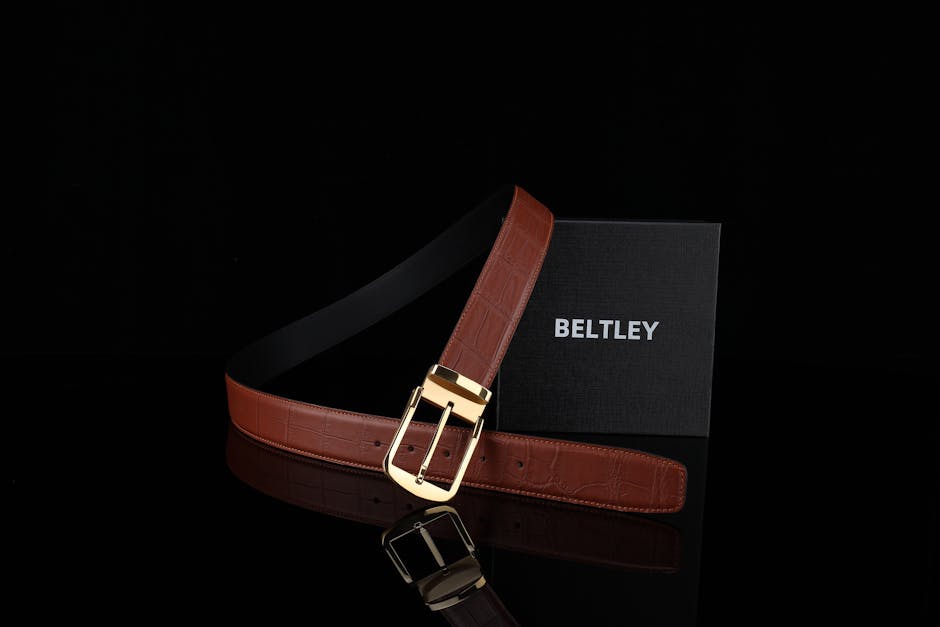
Beyond all the specifics of material, buckle, and width, one rule reigns supreme for suit belts. It’s simple: your belt should always match your shoes in color and finish. This single principle ensures cohesion. It signals polish and attention to detail. Break this rule at your peril.
Common Questions About Suit Belts
Even with clear guidelines, specific scenarios or personal preferences can raise questions. Here, we address some of the most frequently asked queries about wearing belts with suits. These answers will help you navigate less common situations and make confident choices for your formal wear. Understanding these nuances further refines your sartorial knowledge.
Should my belt always match my shoes?
Yes, absolutely. This is not a suggestion; it is a rule for traditional suiting. The belt and shoes should be the same color. If your shoes are black polished leather, your belt should be black polished leather. If your shoes are brown suede, your belt should be brown suede. This creates a visually uninterrupted line. It ties the top half of your outfit to the bottom. Deviating from this rule breaks the harmony of a well-put-together suit. It is a fundamental principle of men’s formal wear. This applies whether your suit is for business, a wedding, or a formal event.
Is it okay to wear a braided belt with a suit?
Generally, no. Braided belts are too casual for a suit. They introduce a texture and a relaxed vibe that clashes with the formality of tailored clothing. Braided belts are excellent for chinos, linen trousers, or more casual blazers. They are not appropriate for a business suit, a formal event, or any occasion where you need to look your sharpest. Stick to smooth, solid leather belts for suits. The exception might be a very specific, fashion-forward, casual suit where all other elements align with a relaxed aesthetic, but this is rare and advanced styling. For most men, avoid it.
What about belts for tuxedos?
For a tuxedo, you typically do not wear a belt. Tuxedos are designed to be worn with suspenders (braces). The trousers for a tuxedo usually have side adjusters or are held up by suspenders. They lack belt loops. Wearing a belt with a tuxedo is considered a major faux pas in traditional black tie dressing. The waist of tuxedo trousers should be smooth. A belt would disrupt this elegant line. If your tuxedo trousers happen to have belt loops, it is still advisable to have them removed or use suspenders and ignore the loops. A cummerbund is worn to cover the waist and hide the point where your shirt tucks into your trousers. This further negates the need for a belt.