
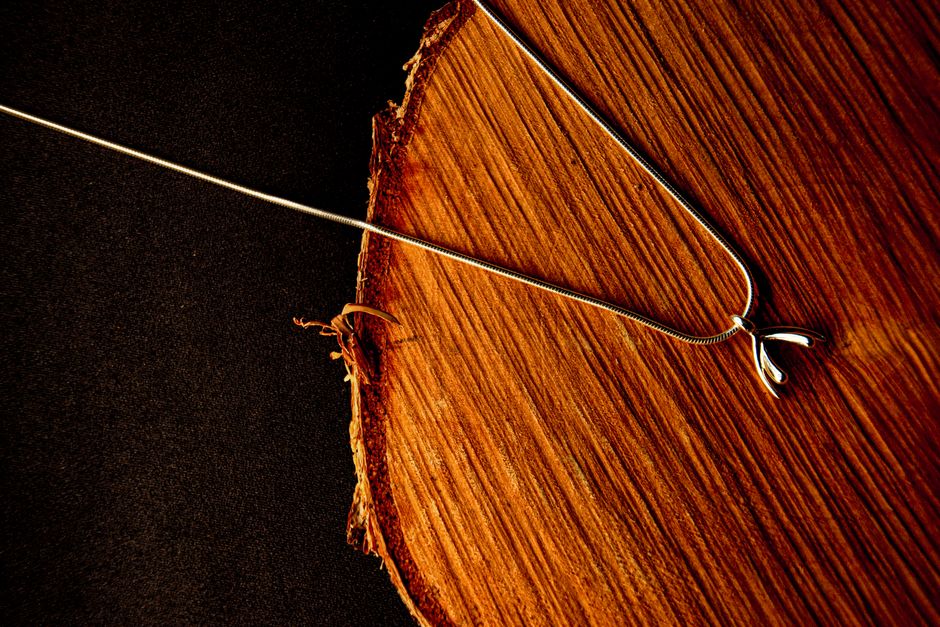
You put on three slim rings, two bracelets and a fine chain before leaving the house. In the mirror, the pieces do not look light and polished. They look crowded, with every item competing for attention. The fix is not buying more jewellery. It is controlling visual weight, spacing and movement. Start with one anchor piece, add one quieter layer, then stop before the stack loses its shape. This approach works for gold, silver and mixed metals, and it makes a small jewellery collection look far more considered.
Why delicate spring jewellery looks cluttered
The real problem is visual weight
Delicate jewellery exists to add shine and detail without covering the outfit. The look fails when every piece has the same width, finish or position. Five identical fine chains can merge into one tangled line. Three rings with the same rounded profile can make one finger look heavy. A better stack uses contrast: one smooth band, one textured band and one small stone or charm. The eye can separate those shapes, so the result feels layered rather than accidental.
Use space as part of the outfit
Spring clothing often has open necklines, rolled sleeves and lighter fabrics. That extra skin creates room for jewellery, but it also makes poor spacing easier to see. Leave a visible gap between necklace lengths. Keep one wrist quieter if the other carries two bracelets. On your hands, place the strongest ring on the middle or index finger and leave the adjacent finger clear. The strongest recommendation is simple: build around one focal point and let the surrounding pieces support it.
How to build a ring stack that stays balanced
The four-step hand test
- Choose one ring that has the most presence, such as a signet, stone or wider band.
- Add a second ring with a different surface. Pair polished gold with a hammered or coin-edged band instead of another plain band.
- Try the stack with your hand relaxed. If the rings touch awkwardly or spin into one line, move one to another finger.
- Take a photograph from above. A stack that looks fine from the side can still appear crowded across the knuckles.
The best starting point is two rings on one hand, not four. Add a third only when it creates a clear change in height or texture.
When two rings beat five
Stop at two rings for work, travel or outfits with strong sleeves, prints or statement buttons. Slim jewellery needs breathing room to read as intentional. If you want more shine, spread the pieces across both hands instead of building a tall pile on one finger. Ring size also matters: a tight stack can trap moisture and rub the skin, while loose rings rotate and catch on clothing. Measure , when fingers are usually slightly larger.
Which metals and textures should you mix?
Can gold and silver work together?
Yes, but use a bridge. The easiest bridge is a mixed-metal ring, a watch with two metal tones or one necklace that contains both colours. Keep one metal dominant at about two-thirds of the look, then use the second metal as a small accent. A warm gold chain with silver rings can look clean when the silver appears twice, such as on two fingers or on a ring and watch. One isolated silver piece can look like a mistake because the eye has nowhere else to find it.
Which texture gives a spring stack more interest?
Choose one texture, not a collection of competing finishes. A fine curb chain adds small flashes of light. A box chain looks cleaner and more geometric. A hammered ring gives a softer, irregular surface beside polished bands. Pearls add a different kind of contrast because they are round, pale and reflective without looking sharp. My verdict: combine one smooth item, one linked or textured item and one organic detail. That formula gives a light outfit enough definition without making the jewellery feel heavy.
The first delicate jewellery pieces worth buying
Best ring foundations by price
The Catbird ring is my pick for a stack that needs character; the Mejuri is better if you want the quietest base.
Best chain and bracelet anchors
It adds shape without a large charm. These are starting points, not a shopping list: buy one anchor first, then test the pieces already in your jewellery box.
How to layer fine chains without tangling
My strongest recommendation: separate the lengths
Pair it with a longer chain that has a different link shape, not another tiny twist.
Control movement before adding another chain
Chains tangle when their weights, lengths and clasps sit in the same place. Wear the lighter chain closest to the neck and place the heavier pendant lower. Check the clasp position before dressing; a clasp that sits at the front can become the visual centre by accident. Avoid wearing three fine chains with identical lobster clasps if you plan to move a lot. For a desk day, two chains usually look better than three. For an open-neck evening outfit, three can work if one is a fixed pendant and the others are simple lines.
Bracelet stacking mistakes that cause breakage
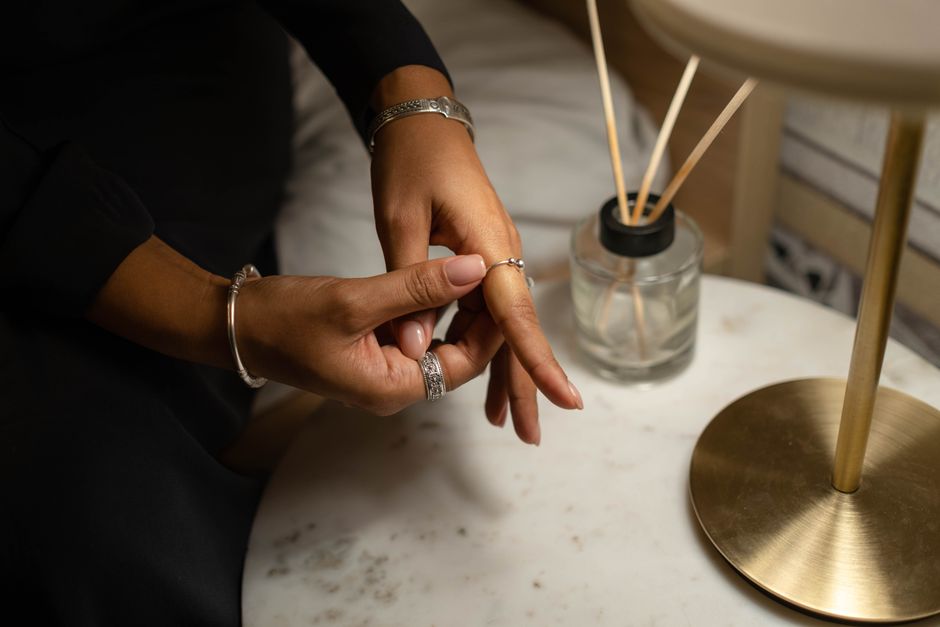
Four failures to avoid
- Do not stack a delicate chain beside a wide watch with sharp edges. The watch can catch and pull the fine links.
- Do not sleep, swim or work out in fine bracelets. Sweat, friction and repeated pulling shorten their useful life.
- Do not buy a bracelet that barely closes around the wrist. Leave enough room for one finger, but not enough for it to slide over the hand.
- Do not place a charm-heavy bracelet beside a lightweight chain. The charm becomes a moving weight and can stretch or kink the finer piece.
When a heavier bracelet is the better choice
It is not the right choice for a barely visible, whisper-light stack. In that case, choose one fine bracelet and keep the other wrist bare. The best spring bracelet stack has a weight limit: one anchor, one delicate companion and no loose charms knocking between them.
Care also affects how the stack looks. Wipe metal with a soft cloth after wearing it, store chains separately and close every clasp before putting pieces away. A small zip pouch or divided jewellery case prevents the knots that make people think a chain has worn out.