
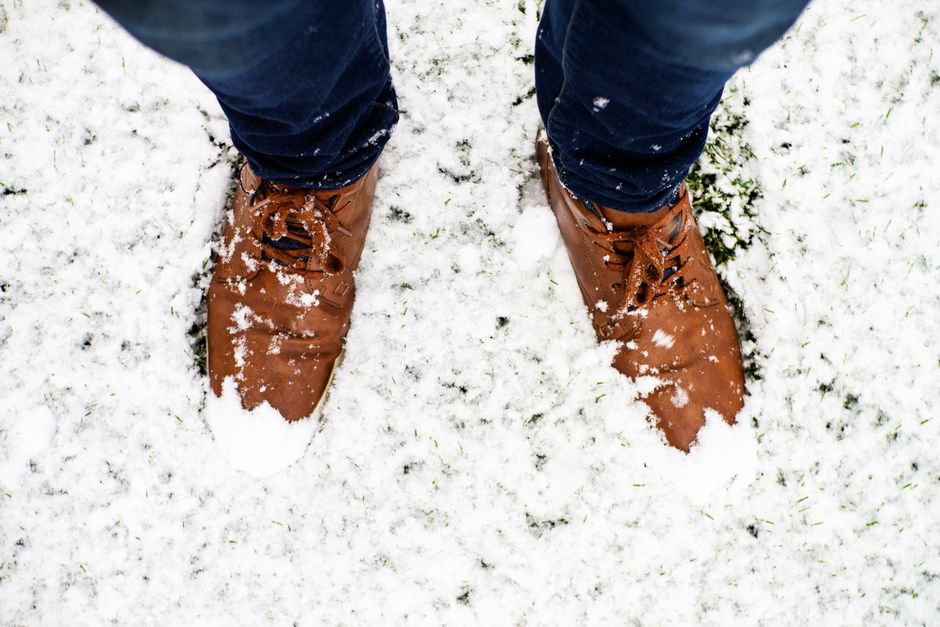
A boot can be 100% waterproof and still leave your feet cold because waterproofing blocks water while insulation holds heat. At 7:40 a.m., that difference matters: you step into a puddle on the walk to work, stand on a wet platform for twelve minutes, then spend the afternoon with damp socks trapped inside rubber or leather.
The right choice starts with the weather problem, not the silhouette. Chelsea boots suit wet city commutes, combat boots add traction and insulation, and knee-high boots protect against deeper puddles. Here is how to choose a pair that can handle real winter use without turning your outfit into outdoor gear.
Why waterproof boots still fail in freezing weather
Water reaches your feet in two ways: from outside and from inside. Rain, slush, and puddles attack the upper and seams. Sweat builds inside the boot when you walk, then cools quickly when you stop. A good winter boot manages both problems with a water barrier, insulation, a sole that grips wet ground, and enough room for a warm sock.
Waterproof does not mean warm
Rubber is excellent at keeping rain out, but a thin rubber shell does not create much warmth. The Hunter Original Tall is listed as 100% waterproof, yet its standard textile lining is better suited to rain than prolonged freezing temperatures. Add a wool sock for a cool, wet commute, but do not treat a basic rain boot as a snow boot.
Warmth depends on space and materials
Insulation works by trapping air. If your boot is too tight, it compresses the sock and lining, leaving less space for warm air. If it is too loose, your heel lifts and your foot loses energy with every step. Look for a removable footbed, fleece or wool lining, a gusseted tongue, and a sole thick enough to separate your foot from cold pavement.
Best rule: choose the boot for the coldest surface you will actually stand on, not the warmest day in the forecast. A waterproof Chelsea works in rainy London or Seattle. A lined combat boot works better when the same commute includes icy sidewalks.
Chelsea, combat, or knee-high: which style handles winter best?
Each shape solves a different part of the problem. Use the table before thinking about colour, heel height, or outfit matching.
Pick the Chelsea when walking comfort comes first
The Blundstone #585 is the strongest everyday pick for mild winter weather because it is lighter and easier to wear than a tall rubber boot. Its weakness is clear: water-resistant leather cannot match a sealed rubber shaft during deep puddles. Choose it for trains, offices, restaurants, and sidewalks that drain quickly.
Pick the combat or knee-high when weather is the main threat
The Dr. Martens 1460 Trinity Wintergrip wins for a cold urban commute because it combines a waterproof membrane, insulation, and a slip-resistant sole. The Hunter Original Tall wins for rain volume, not warmth. For snow and genuine cold, the Sorel Joan of Arctic is the better fashion boot because its removable 9 mm lining adds real insulation.
How to test winter boot fit before you buy
Do this test at home in the socks you plan to wear. A five-minute fitting can prevent cold toes, heel blisters, and an expensive return.
Follow these five steps
- Wear the right sock. Use a medium or heavyweight merino sock, not a thin dress sock. Your foot needs the same volume it will have outdoors.
- Check toe space. Leave about 10 to 15 millimeters between your longest toe and the front of the boot. Your toes should move freely without touching the shell.
- Test the heel. A small amount of movement is normal in a new leather boot, but your heel should not lift more than a few millimeters when you walk upstairs.
- Bend the ankle. Sit, squat, and walk. The shaft should not cut behind your knee or press hard across the instep. Tall boots need enough calf room for trousers and a tucked sock.
- Inspect the sole. Look for deep rubber lugs, flexible forefoot movement, and a stable heel. Smooth fashion soles slide on painted crossings and wet stone.
Avoid the three common sizing mistakes
- Do not size down because leather will stretch. The toe box will not grow longer.
- Do not add two thick socks to fix a cold boot. That compresses circulation and can make feet colder.
- Do not trust a waterproof label without checking the tongue, seams, and opening. Water can enter from an unsealed gusset or run over a low shaft.
For most people, the best winter fit feels slightly roomy at the toes, secure at the heel, and flexible across the ball of the foot. If a boot feels tight in the store, it will feel worse after several hours outside.
Winter boot questions that prevent bad purchases

Can Chelsea boots work in snow?
Yes, but only for short trips over cleared sidewalks. A Chelsea boot with a waterproof membrane, insulated lining, and aggressive tread can handle light snow. A smooth-soled leather Chelsea cannot. Snow also enters through the ankle opening more easily than through a tall boot, so wear a longer wool sock and avoid deep drifts.
Are knee-high rain boots warm enough for winter?
Usually not by themselves. A knee-high rubber boot blocks rain but may have only a thin textile lining. Add a wool-blend sock and insulated footbed for cool weather. For temperatures below freezing, choose a boot with stated insulation instead of trying to turn a summer rain boot into a snow boot.
When should you skip a fashion boot entirely?
Skip it when the sole is smooth, the upper has exposed seams, the shaft collapses around your ankle, or the brand gives no information about lining and water protection. Buy a real winter boot instead if you will stand outside for more than thirty minutes, walk on untreated ice, or face temperatures below freezing. Style can come from the colour and shape; warmth and grip need proper construction.
That brings the choice back to the 7:40 a.m. puddle. Wear the Hunter when the platform is flooded, the Dr. Martens when rain and ice arrive together, the Blundstone when the streets are wet but manageable, and the Sorel when cold has become the main event. Your feet stay dry because the boot matches the weather, not because the label simply says winter.