
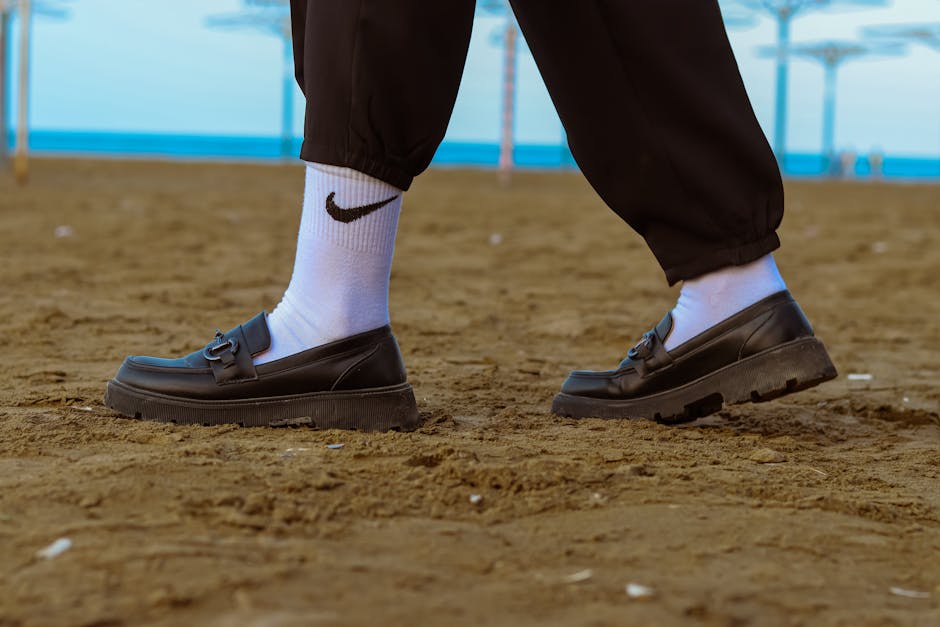
Socks get chosen in the dark, often literally. Most people grab whatever is at the top of the drawer without thinking, then wonder why an otherwise solid outfit looks slightly off. Treating socks as a deliberate decision — length, fiber, color, pattern — closes that gap faster than almost any other small wardrobe adjustment.
Sock Types by Occasion: A Working Reference
The first decision is always length. Get this wrong and nothing else you do with socks will fix it. The table below covers the five main categories and exactly where each fits into a real wardrobe.
| Sock Type | Length | Best Worn With | Avoid With | Brand to Know | Price Range |
|---|---|---|---|---|---|
| No-Show / Liner | Below ankle | Loafers, low-cut sneakers, boat shoes | High-top shoes, slim trousers, suits | Uniqlo Liner Socks | $3–5 |
| Ankle / Quarter | Just above ankle | Canvas shoes, casual sneakers, weekend outfits | Dress shoes, tailored trousers | Bombas Ankle | $14–16 |
| Crew | Mid-calf | Jeans, chinos, most casual-to-smart outfits | Dress trousers — leg can expose bare skin when seated | Darn Tough Hiker Crew | $25–27 |
| Over-the-Calf (OTC) | Below the knee | Dress trousers, suits, formal lace-up shoes | Shorts, casual outfits — reads as overwrought | Falke Airport OTC | $22–28 |
| Knee-High | At or above knee | Mini skirts, cropped trousers, bold fashion looks | Conservative office, traditional business dress | Happy Socks Knee-High | $14–15 |
The most common wardrobe gap is the absence of OTC socks. Crew socks handle most casual situations without issue, but sit down at a meeting or restaurant in dress trousers and the trouser leg rides up — exposing bare skin between sock and hem. Over-the-calf socks eliminate that entirely. It is a small detail that reads clearly to anyone paying attention.
No-Show Socks: The Grip Problem Nobody Mentions
No-show socks live and die by one variable — whether the heel grip holds through a full day of walking. A cheap pair slides into the shoe within thirty minutes. At that point, you have a bunched piece of fabric under your arch and bare skin rubbing against the collar of the shoe. The Uniqlo liner at $3–5 is the best budget option and holds reasonably well for light use. For daily use inside leather loafers or dress shoes, the Tabio Non-Slip Liner ($12) uses silicone grip strips along the heel that genuinely stay put through a full day. Spend the extra nine dollars.
Over-the-Calf for Formal Wear: Why Length Changes Everything at the Table
Sit down in dress trousers with crew socks and the trouser hem rides up — bare leg shows, and it looks careless. OTC socks fix this cleanly and permanently. Falke Airport ($22–28) is the practical entry point for quality OTC dress socks. They hold shape through multiple washes, have a smooth finish that slides easily into fitted dress shoes, and come in the neutral tones that pair with most trouser colors. Pantherella Merino OTC ($30–35) is the step up if you want something finer for warmer months — thinner gauge, same structural hold.
Why the Fiber You Choose Matters More Than the Pattern

Pattern and color get almost all the attention when people shop for socks. Fiber gets ignored. This order is wrong. The wrong fiber will make your feet sweaty, uncomfortable, or blistered within hours — regardless of how the sock looks on a flat lay.
Cotton is the default for most socks. Decent for low-activity days. The problem: cotton absorbs moisture and holds it. Walk for three hours in cotton socks and your feet stay damp the entire time. Fine for desk work, genuinely bad for anything involving sustained movement.
Merino wool is the material most people overlook. It wicks moisture away from the skin, regulates temperature in both warm and cold conditions, and resists odor far better than cotton — often going two or three wears between washes without issue. Darn Tough (made in Vermont, lifetime guarantee, $22–27 per pair) and Icebreaker Merino Crew ($20–24) are the two brands worth anchoring on here. A pair of Darn Tough socks will outlast five pairs of budget cotton socks. The per-wear cost is lower, not higher.
Synthetic blends — typically nylon or polyester with elastane for stretch — are built for compression and performance. Balega Hidden Comfort ($14) and Bombas Running Ankle ($18) both use this construction. They translate reasonably to casual wear but they are optimized for movement, and the texture reads as athletic rather than style-forward.
Cashmere and silk blends sit at the luxury end of dress socks. Pantherella’s cashmere-cotton blend runs $30–40 per pair and is fine-gauge — meaning significantly thinner than standard dress socks. Under slim-cut trousers, gauge matters. Thick dress socks create visible bulk at the ankle. The cashmere blend eliminates that while being noticeably softer. Overkill for most wardrobes, but if you are buying one pair of dress socks that will last four or five years, this is the correct tier.
Gauge: The Number That Determines How Socks Sit Under Trousers
Gauge refers to how tightly a sock is knit — the number of needles per inch used in manufacturing. A 200-needle gauge dress sock is significantly thinner and finer than a 100-needle gauge version. Under slim trousers, this difference is visible and tactile. Pantherella’s 200-needle range and Falke’s fine-gauge dress collection are the practical benchmarks. For casual socks, gauge matters far less than cushioning level and fiber choice.
When Cushioning Works Against You
Cushioned socks add padding at the heel and toe box. Essential for hiking, running, or extended standing. A direct problem inside slim leather dress shoes. The extra thickness tightens the fit and creates friction at spots where the shoe was constructed without that bulk. Bombas cushioned crew socks ($16) are excellent for sneakers and casual footwear. Keep them completely out of fitted dress shoes.
The Color Rule That Cuts Through All the Noise
Match your sock to your trouser, not your shoe. That single principle resolves the overwhelming majority of color decisions and reads as more intentional than the alternative. The only exception: when you are deliberately using the sock as a contrast statement — in which case, go full contrast and make it obvious, not accidental.
Four Mistakes That Derail an Otherwise Good Outfit
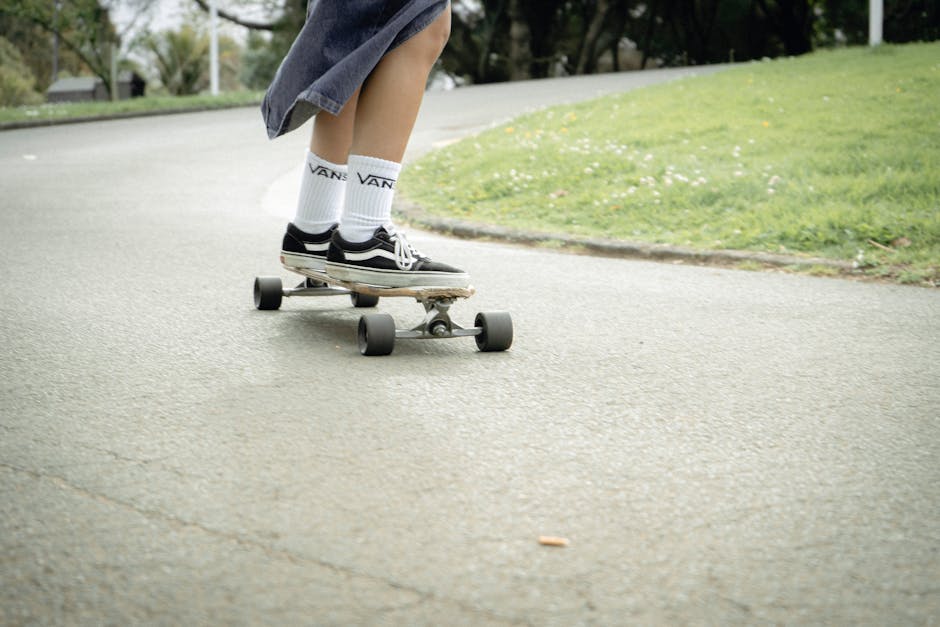
These errors compound each other when they appear together. One is manageable. Three at once and the sock becomes the thing people notice for the wrong reason.
- Buying only one length. Crew socks fail under dress trousers. No-show socks fail with high-cut shoes. A functional wardrobe needs at minimum three lengths: liner, crew, and OTC. This is not optional if your life involves more than one shoe type.
- Keeping socks past their elastic life. Socks that slide down or bunch at the ankle mid-day look sloppy and are distracting to wear. Elastic degrades with washing. When a sock reliably stops staying up after ten washes, it is past its useful life. Replace it — socks are not expensive enough to keep wearing ones with dead elastic.
- Pattern stacking. A bold patterned sock works as the single visual accent in an otherwise restrained outfit. Stack it with a patterned shirt and a patterned tie and the result is noise, not style. One patterned layer at a time. The sock can absolutely be that layer — but it should not compete with multiple others simultaneously.
- Mismatching cushioning level to shoe construction. Thin dress socks in chunky sneakers provide no support or cushioning. Thick cushioned socks in slim leather shoes change how the shoe fits and create pressure points. Match sock weight to the shoe it goes into. This is a functional call, not an aesthetic one, but it affects both.
Correcting the length and cushioning mistakes alone will make an immediate difference in both comfort and appearance — and they cost nothing to fix with existing pairs you already own.
Building a Sock Wardrobe from Zero: Common Questions Answered
How many pairs do I actually need?
For a functional daily wardrobe: seven pairs of everyday socks (one per day, washed weekly), three pairs of dress socks, two pairs of no-show liners, and two pairs of athletic or performance socks. That is 14 pairs total. Fewer than that and you start making compromises regularly — wearing a crew sock under dress trousers because all your OTC pairs are in the wash. A Bombas 6-pack runs approximately $84 and covers the everyday category solidly as a starting point, with enough variety across the set to handle most casual situations.
Are expensive socks actually worth the price difference?
Yes, at the mid-tier. The jump from budget ($2–4 per pair) to mid-tier ($12–22 per pair) is significant: better elastic construction, better fiber quality, more consistent sizing, and substantially longer shape retention over time. The gap from mid-tier to premium ($30–40 per pair) is real but smaller — primarily about fiber luxury and gauge refinement rather than durability. Darn Tough’s lifetime guarantee makes their $25 socks cheaper long-term than replacing $4 socks every three months. The math is not close.
Do I actually need different socks for different shoe types?
Yes. Leather dress shoes, athletic sneakers, and boots have different internal construction and create friction in different locations inside the shoe. A single all-purpose sock is a compromise for all three rather than a solution for any of them. At minimum: thin smooth OTC for dress shoes, cushioned crew for sneakers, mid-weight crew or OTC with light shin padding for boots. Tabio makes a specific boot sock ($14) with padding at the calf that sits correctly under Chelsea and lace-up boots without bunching or sliding.
Are sock subscription services worth it?
For everyday basics, yes. Stance’s subscription ($14–16 per pair depending on tier) and Bombas’ multi-pack pricing both make sense for building out a core everyday wardrobe efficiently. For dress socks specifically, avoid subscriptions — quality varies across shipments and you want to know the exact gauge and fiber you are getting for formal occasions. Buy dress socks individually from known brands, one or two pairs at a time.
The Strategic Case for Making Socks Visible on Purpose
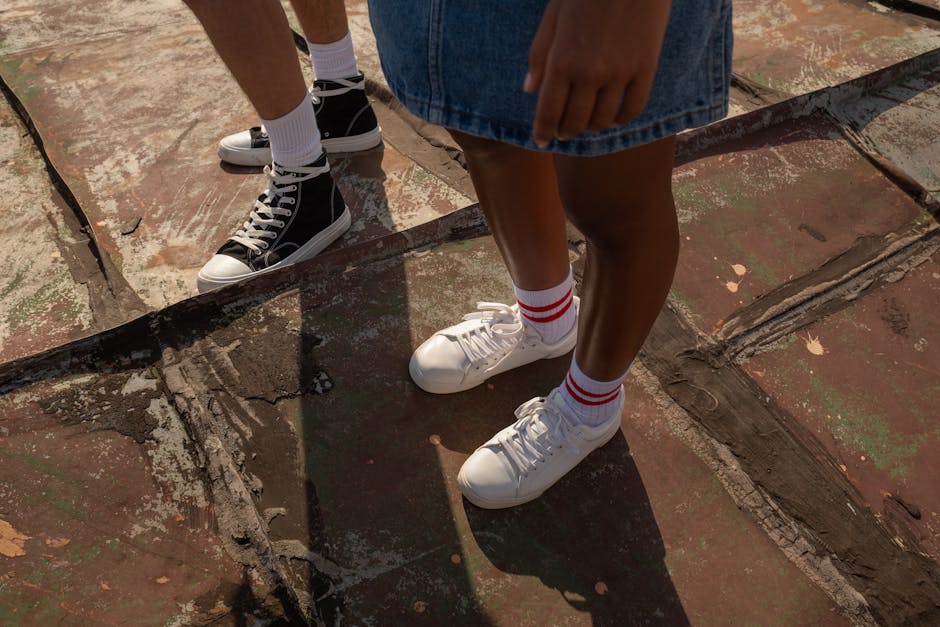
Visible socks worn deliberately are one of the most underused accessories in a wardrobe. A flash of pattern or color between trouser hem and shoe creates a visual break that signals an intentional styling decision. That reads as confident rather than accidental — which is the entire difference between an accessory and a wardrobe failure.
Happy Socks ($12–15 per pair) has made this accessible with a wide range of geometric, stripe, and graphic patterns that hold color well after washing. For business-casual contexts where you need something that works without reading as too playful, Pantherella’s argyle and clock patterns ($25–35) are the correct call. Falke’s patterned OTC range ($20–28) sits cleanly between the two — more considered than Happy Socks, more affordable than Pantherella.
Proportion matters here. A shorter trouser break — meaning the trousers sit slightly higher above the shoe — makes visible sock styling read as deliberate. If your trousers have heavy fabric break piling over the shoe, the sock disappears into folds and looks accidental rather than intentional. Slim-cut or cropped trousers are the natural home for this approach.
Three brands worth knowing beyond the obvious names: Corgi Socks (Welsh heritage manufacturer, $18–22 per pair, particularly strong on traditional color and pattern work), Anonymous Ism (Japanese mill-direct, $20–30, unusual gauges and textures that stand apart from standard market offer), and Tabio (Japanese, known for exceptional fit precision, $10–14, the best mid-price option for daily patterned socks).
The strongest visible-sock moves are almost always simple: solid navy under grey trousers, a stripe crew under cropped chinos, burgundy OTC under charcoal. These work because the color relationship is clear and singular. The more complex the pattern, the simpler the rest of the outfit needs to be to balance it — a heavily patterned sock deserves a plain trouser and a plain shoe.
Socks are inexpensive enough that building a deliberate collection costs very little relative to any other wardrobe category. The return in outfit clarity is disproportionate to what you spend — which is a ratio that almost nothing else in fashion reliably delivers.